
From Abducted Children to Empowered Mothers

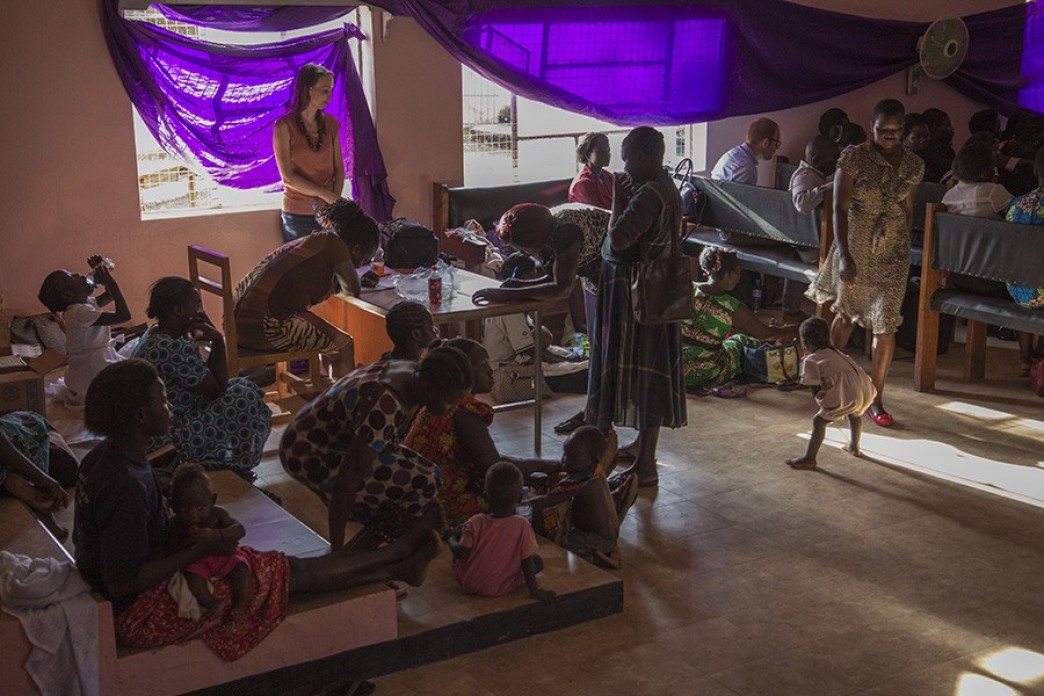
Mothers and children in a large, spacious room.

In 2015, ICTJ started a research project in northern Uganda to analyze the long-term consequences of the lack of accountability for sexual violence committed during the conflict. ICTJ allied with local organizations Watye Ki Gen and Women’s Advocacy Network (WAN) to conduct consultations with over 250 victims, community members, advocates, and policy makers.

Among those interviewed there were 52 children born of sexual violence (27 girls, 25 boys), who also reflected on the challenges they face through group discussions and drawing exercises. (Photo credit: Marta Martinez/ICTJ)

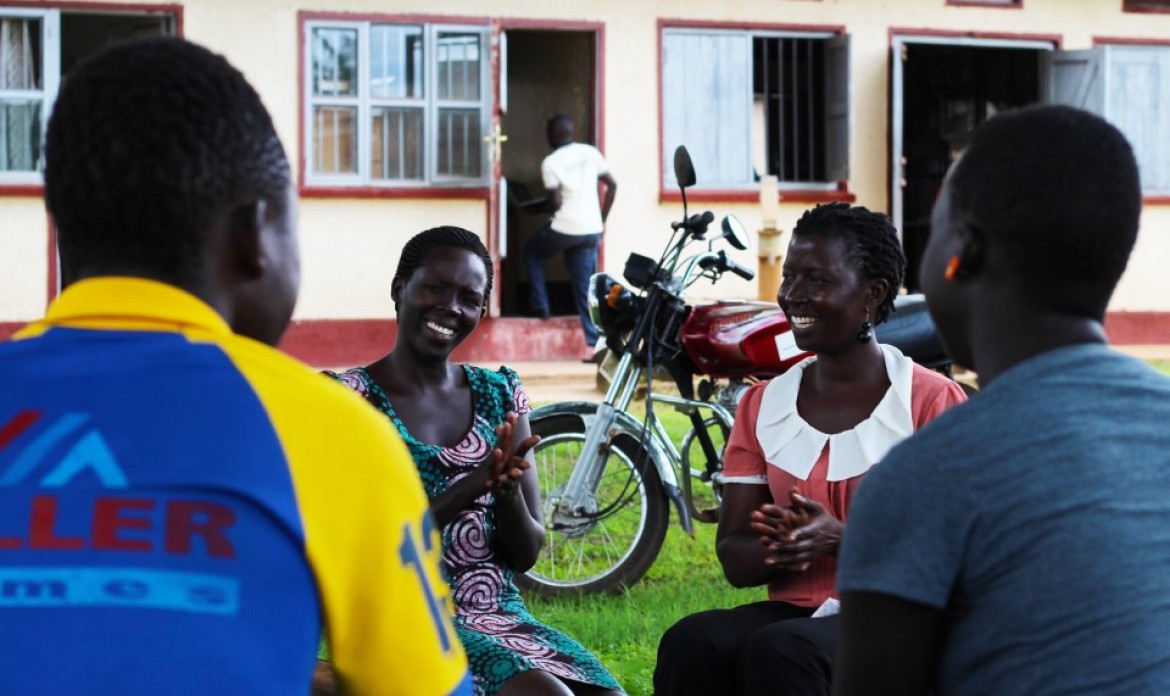
A group meeting in a circle outside.

Janet Arach (left) and Angela Lakor (right) are the co-founders and co-directors of Watye Ki Gen, which means “we have hope” in Luo, an indigenous language. Watye Ki Gen is a non-profit organization established by formerly abducted women who were concerned about their children born in captivity and the stigma they faced in their communities.

Many mothers don’t dare to tell their children where they come from due to the social rejection. “Out of stigma in the community, many children started realizing that they were born from captivity and they were asking their mothers, ‘Is it true that I was born from captivity?’ This is a very difficult question for the mother,” Janet explains.

The mothers decided they needed to create Watye Ki Gen to provide guidance and counseling for the children. (Photo credit: Marta Martinez/ICTJ)

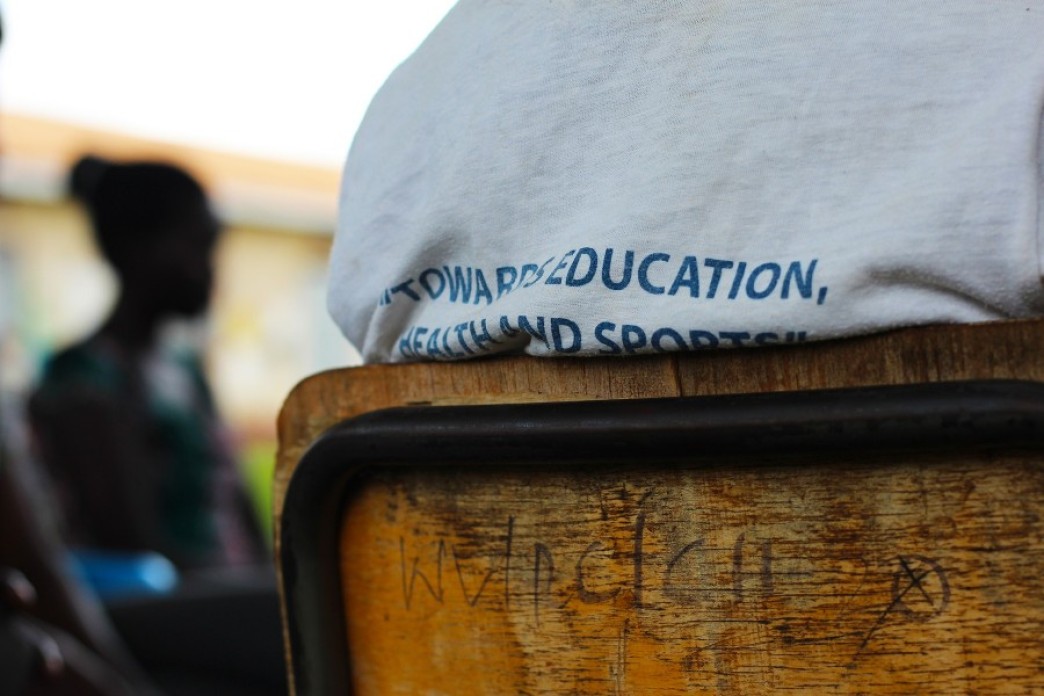
A person sitting in a chair watching a presentation.

Education remains one of the biggest challenges for children born in captivity, and for their mothers to be able to cover the cost of school fees, which usually range from $50 to 200 dollars per year. Watye Ki Gen has noticed that the social stigma has grown from families and communities to schools.

“Some teachers, if they knew that this is a child born in captivity, they just refer to the bush, ‘you behave just like your father, you are the bush child,’” Janet says.

Marginalization, combined with economic hardship, often forces children born of conflict to drop out of school. “If they are not even educated, what kind of citizen are they going be?” Janet asks. (Photo credit: Marta Martinez/ICTJ)

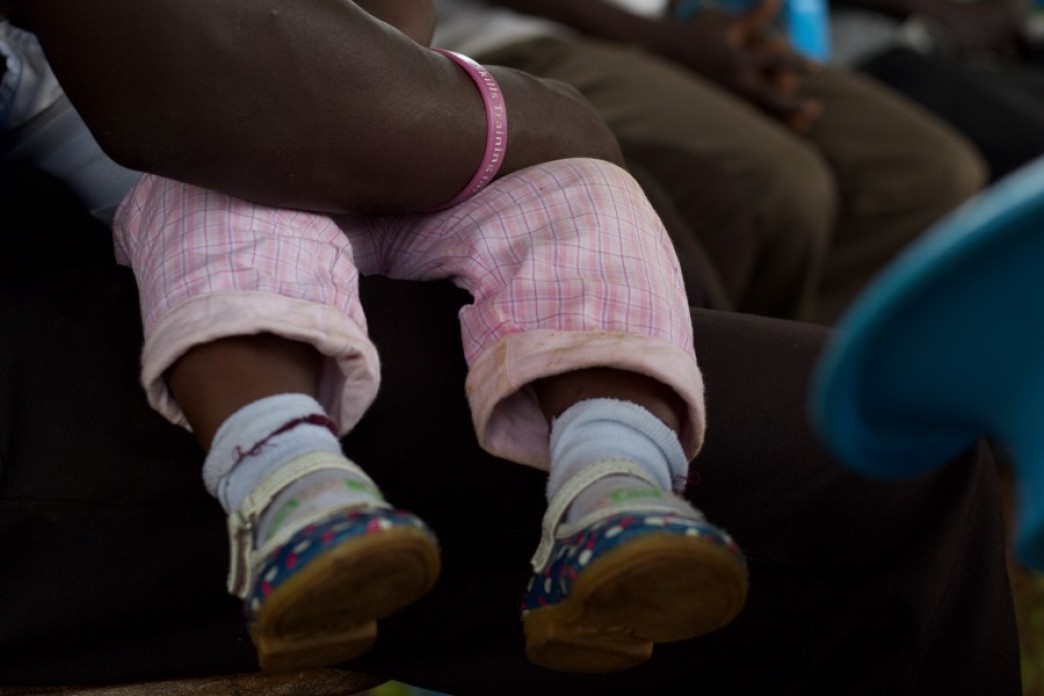
An infant's feet dangling from a chair.

Girls born in captivity often get pregnant while they are still teenagers. Stigma and hardship pass from mother to child, and sometimes even to grandchildren, in an intergenerational cycle of vulnerability, abuse, and marginalization.

“Because the crimes committed against these mothers have gone unaddressed and unacknowledged for years, there has been a cascade of harms,” says Virginie Ladisch, head of ICTJ’s Children and Youth program. (Photo credit: Marta Martinez/ICTJ)

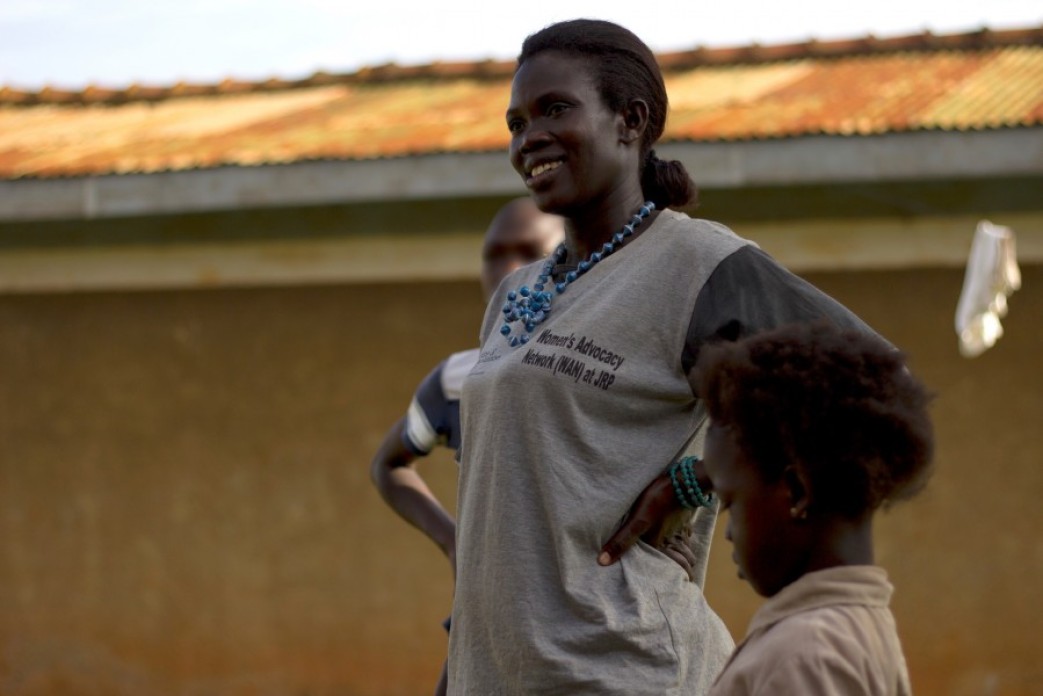
A woman standing assertively.

Stella Lanam is a member of Women’s Advocacy Network (WAN), an organization founded by formerly abducted women to advocate for social justice and economic security for themselves and their children born of conflict in northern Uganda. It aims to help its members become self-sufficient and engaged citizens, offering literacy classes and helping them petition the government to fulfill their rights.

“We thought if we came together and shared our challenges with each other, then we would be able to share the burden among ourselves,” Stella says. “When a woman has all the things she needs for her wellbeing, no man can fool her or take advantage of her. She will be empowered.” (Photo credit: Marta Martinez/ICTJ)

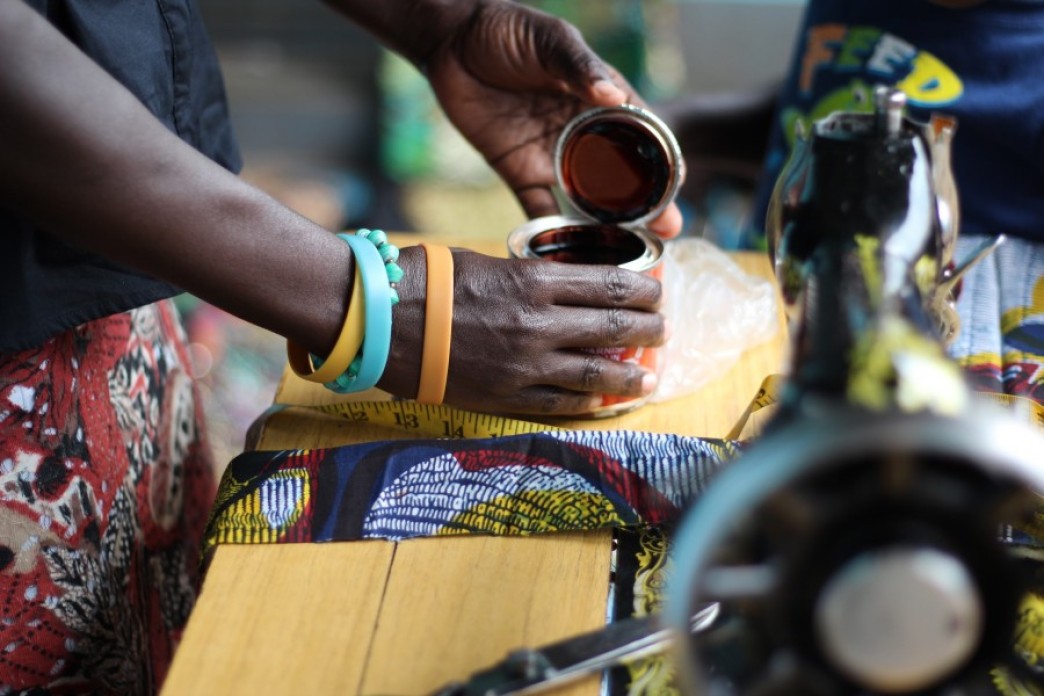
The hands of an artisan in her workshop.

WAN’s members produce jewelry, bags, toys and more in order to raise money to cover school fees for their children.

“I normally give two weeks to make bags and two weeks for beads,” Stella explains. “When making the bags, I usually allocate two days for only cutting the materials and designs. Once the cuttings are done then I begin to sew.” (Photo credit: Marta Martinez/ICTJ)

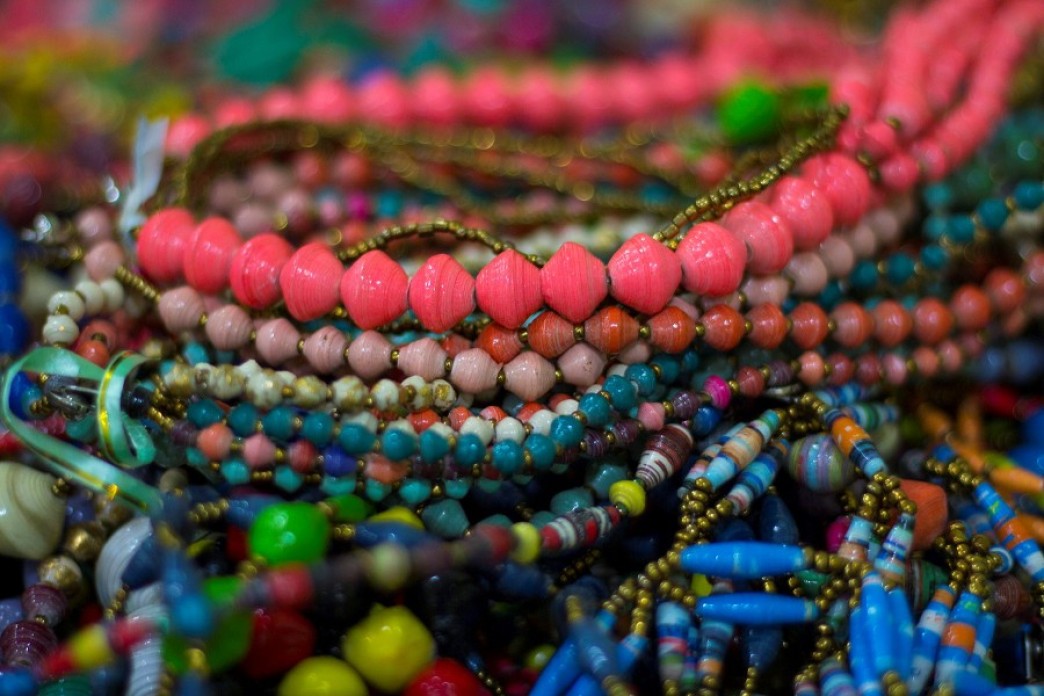
Beads up close.

Beads are WAN’s best-sellers. They are made of rolled paper the women then paint in bright colors and assemble in creative designs.

Stella explains how they organize themselves: “After making the beads we sell them as a group. Whichever bag or bead is bought, we bring back the money to the person who made it. A small portion of the money is deducted and given to the group as a contribution to cater for future occurrences like sickness or school fees. The rest of the money is given back to the maker to assist in feeding, medical bills, school fees and other things that might require money.” (Photo credit: Marta Martinez/ICTJ)

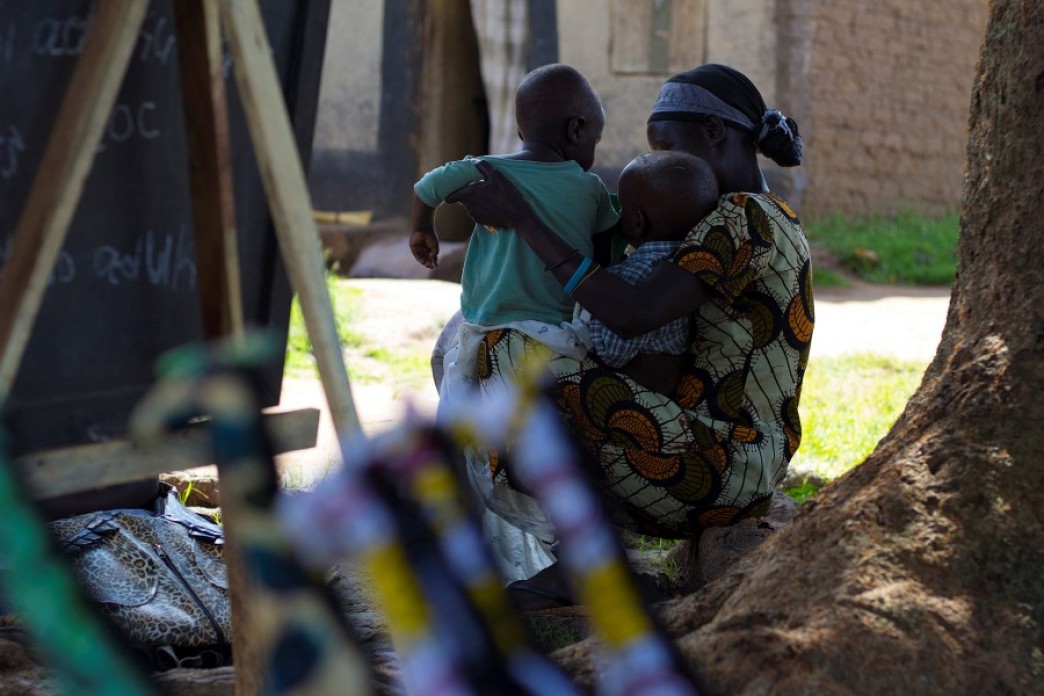
A mother and her children

It’s extremely hard for the formerly abducted women to become economically self-sufficient. Many were not able to go back to school after they came back from captivity. Cultural traditions also play a big role – in northern Uganda women cannot own land or receive an inheritance, only men. Most women depend economically on their husbands or male family members.

Stella explains: “You stay with a man; he gives you another child and then decides to abandon all of you. At times the man decides to only pay education for the child he had with you, but not the one you returned with from the bush. But most times everything is left on us the women: rent, school fees, medical care. That is why the majority of the formerly abducted women are single. Those living with men are doing so to please the society and earn some respect because in our tradition when you have a man you are valued.” (Photo credit: Marta Martinez/ICTJ)

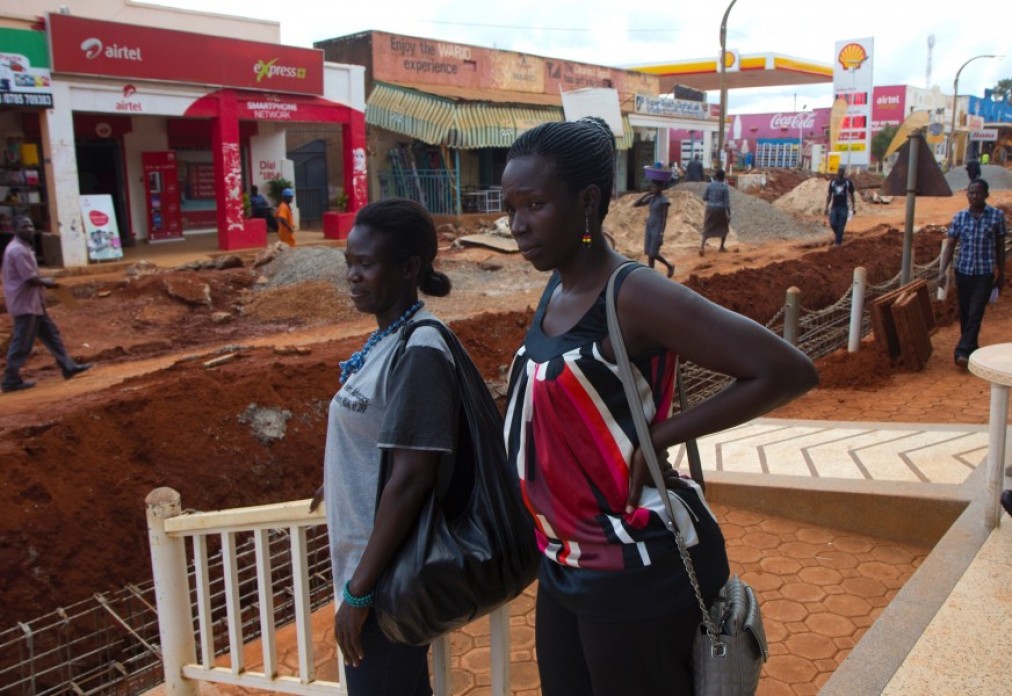
Two women looking out onto the street.

Both Janet and Stella dream big for the future of their families and the children born in captivity.

Janet has high hopes for Watye Ki Gen: “We want to challenge the higher NGOs for the great work we are doing. If other people could come to support us, I know the future of Watye Ki Gen and the future of these children would be brighter.”

Stella will go back to school: “I want to continue with the adult literacy program. It is flexible, so I can work during the day and study in the evening. Who knows? May be in the future I can be a local council leader.” (Photo credit: Marta Martinez/ICTJ)

For years the Lord’s Resistance Army (LRA) captured thousands of young girls in northern Uganda, forcing them to be not only soldiers, but wives and mothers too. When these women finally escaped their captors, children in tow, they hoped to be welcomed back into their communities. Instead, they and their children were met with rejection because of their time “in the bush” with the LRA. This stigma continues to have severe social and economic consequences for mother and child: they are socially marginalized and can scarcely meet basic needs, such as food, clothing, and shelter. The children often cannot afford school, and face scorn when they are able to attend.

Since 2015 ICTJ has allied with two local organizations to understand the impact of the lack of accountability for sexual violence committed during the conflict and advocate for redress. Founded by mothers who gave birth in LRA captivity, Watye Ki Gen and the Women’s Advocacy Network (WAN) work at a grassroots level to confront the pervasive stigma in their communities. They empower children born of wartime rape, and their mothers, both socially and economically.

Watye Ki Gen has taken the lead in identifying and documenting children born in captivity and bringing them together in support groups. It provides counseling and support to the children, helping them address the stigma they face both at home and within their communities.

WAN advocates for economic independence for formerly abducted women while also providing them with the tools needed to advocate for their rights. It offers literacy classes and other training, and its members petition the government to fulfill its obligations to them and their children.

Go inside the work of both Watye Ki Gen and WAN, and meet the inspiring women behind their missions.
