



4 results

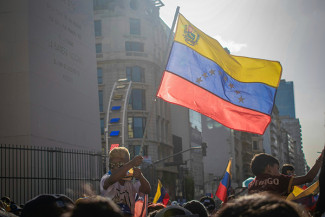
On February 19, 2026, Venezuela’s National Assembly passed the Amnesty Law for Democratic Coexistence, which seeks to extinguish criminal liability for certain acts committed in the country over the past 26 years. While the law has sparked debate, it undeniably represents a significant development in the country's political landscape.

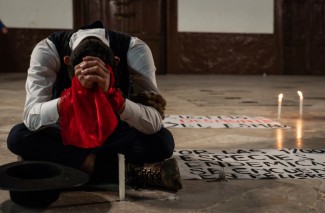
On June 8, Colombia woke up to the grim news that Miguel Uribe Turbay, a 39-year-old senator and presidential hopeful for the right-wing Centro Democrático party, had been gravely wounded after being shot. More than three weeks have passed since the attack and Uribe remains in critical condition, while Colombians, concerned about renewed democratic instability, have found themselves haunted by ghosts from the past.

Throughout 2023, ICTJ’s experts have offered their unique perspective on breaking news around the globe as part of the World Report. Their insightful commentaries have brought into focus the impact these events have on victims of human right violations as well as larger struggles for peace and justice. In this edition, we look back on the past year through the Expert’s Choice column.

Colombia’s new president Gustavo Petro was elected to office on a progressive campaign to strengthen democracy, implement social reforms, and bring “total peace” to the country. His approach to peace encompasses political negotiations with all remaining insurgent groups and simultaneous dialogues with criminal organizations geared toward their voluntary submission to justice in exchange for punitive leniency. But eight months into his administration, Petro’s efforts to deliver on his campaign promise are facing numerous challenges.