


3 results

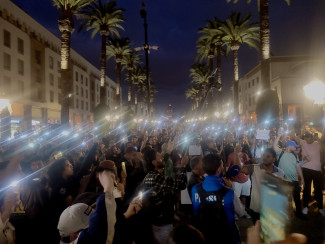
The death of eight women in childbirth at a hospital in Agadir this past August sent shockwaves through Morocco. The news crystallized national anger over deteriorating public services as well as persistent high unemployment and corruption. Years of frustration erupted into the streets as thousands of mostly young Moroccans gathered in cities and towns across the nation to protest and to demand accountability and institutional reform.

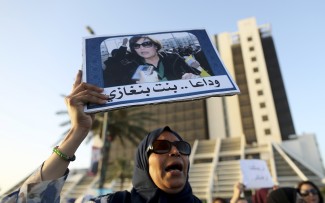
Libyan civil society organizations are fighting against all odds to support victims of human rights violations. In doing so, they themselves risk violence and do their work despite the visible and invisible pain they feel and the innumerable obstacles placed in front of them. Renewed global attention on the Libyan conflict and two new draft laws to protect activists and others may help.

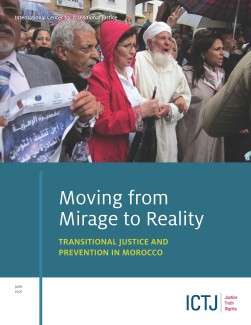
This study examines how transitional justice measures in Morocco have helped prevent state violence repression and social and economic exclusion. These measures included the Equity and Reconciliation Commission, which diagnosed some historical wrongdoings and called for reform to prev...