


953 results

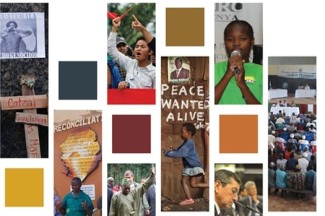
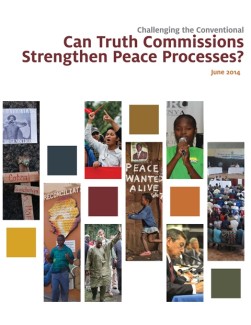
Truth commissions can make important contributions to peace processes if all parties can agree on common objectives and there is genuine local political will to shed light on past events. This is the key finding of a new study – titled “Challenging the Conventional: Can Truth Commissions Strengthen Peace Processes?” – to be released on 19 June 2014 by ICTJ and the Kofi Annan Foundation.

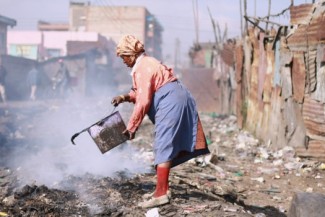
A new study from the International Center for Transitional Justice (ICTJ) shows that the Kenyan government has not effectively addressed the harms suffered by victims of sexual crimes committed during the violence that followed Kenya's disputed 2007 elections or ensured the accountability of perpetrators.

This briefing paper reviews the Kenyan government’s response to sexual and gender-based violence committed against women, men, and children during the 2007/2008 post-election crisis. It draws on interviews with over 40 survivors about their experience and analyzes the laws and transit...

This joint report by ICTJ and the Kofi Annan Foundation explores common assumptions about why truth commissions are created in the wake of armed conflict and what factors make them more likely to succeed – or fail. It arises from a high-level symposium hosted by the two organizations ...

A new report by ICTJ and the Kofi Annan Foundation explores common assumptions about why truth commissions are created in the wake of internal armed conflict and what factors make them more likely to succeed – or fail. The new study will be released on June 19, 2014, at a public presentation jointly hosted by ICTJ and the Kofi Annan Foundation in Geneva.

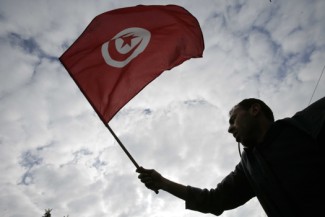
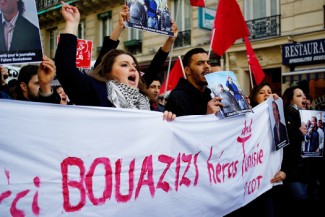
ICTJ welcomes the launch of Tunisia’s Truth and Dignity Commission (TDC), a momentous step in the country’s effort to establish the truth about past human rights violations.

Since the uprising that sparked the "Arab Spring," Tunisians have demonstrated unwavering commitment to transitional justice. In this interview, ICTJ's Head of Office Rim El Gantri gives an overview of the country's efforts to address the truth about the past, seek justice for abuses committed under decades of repression, and provide reparations for harm suffered under the former regime.

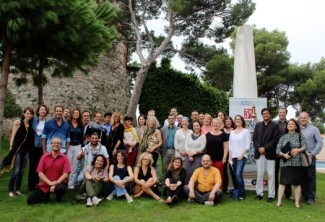
ICTJ and the Barcelona International Peace Resource Center (BIPRC) are pleased to announce the 6th Intensive Course on Truth Commissions, focused on a practical approach about the challenges in the design and implementation of a truth commission and, this year, exploring its intersections with peace processes.

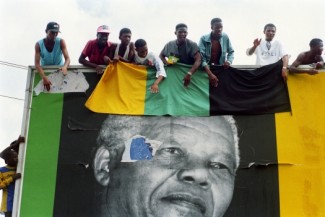
In early May, the African National Congress (ANC) held on to power in South Africa’s general election. However, there is a widespread feeling that the party that oversaw the creation of the groundbreaking Truth and Reconciliation Commission has walked away from its obligations to the South African people.

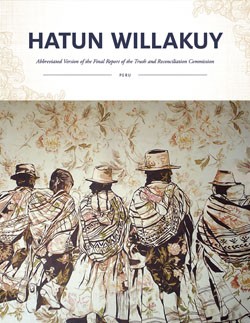
Three human rights groups have joined together to publish a new English edition of Hatun Willakuy, a book presenting the abridged findings of Peru’s Truth and Reconciliation Commission, on its tenth anniversary. The book, which is available online, will allow a larger number of readers to benefit from the findings of Peru’s truth-seeking process.