



685 results

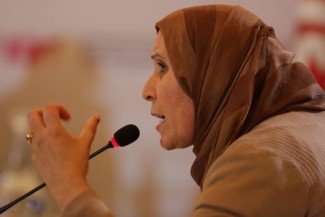
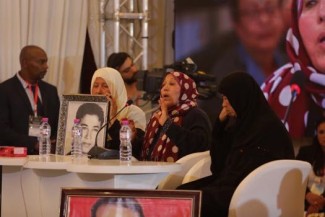
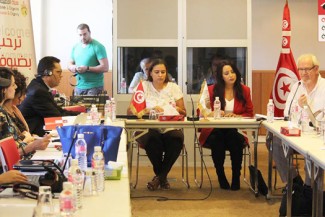
Later this month, Tunisians will have an opportunity to hear the truth about the dictatorship's abuses directly from victims in a series of public hearings hosted by the Truth and Dignity Commission. However, in order for these public testimonies to be effective, the media must cover victims' stories fully and explore the issues underpinning their experiences. South African journalist Max du Preez spoke with his Tunisian counterparts to help prepare them for the challenges they will face. We sat down with him afterwards to discuss the role of media in transitional justice processes.

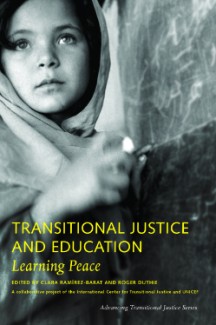
In Cote d’Ivoire, avenues for education system reform are limited. To help youth find their voice, ICTJ and UNICEF facilitated an innovative truth-telling project led by Ivorian young people themselves. The result: an exploration of the unique experiences of young people during the conflict, told through radio broadcasts, public discussions and reports to government officials.

UN operations are due to end in Côte d’Ivoire next June, but the country must pursue a victim-centered approach to justice even after UNOCI leaves. An ICTJ-organized conference works to prepare government, civil society, and the diplomatic community for the UN departure and chart a way towards justice and a stable peace for all of Côte d’Ivoire.

Ukraine's Maidan Revolution in 2014 ushered in a wave of decommunization efforts, ostensibly in order to ensure respect for human rights and to prevent a recurrence of the crimes of Communist and Nazi regimes. However, the laws were largely a product of contentious politics of memory: they further a particular understanding of past events that will likely continue to fuel division and distrust among Ukrainians, and between Ukraine and Russia.

A new project launched by ICTJ and the British Council challenges young Tunisians to explore youth marginalization through photography.

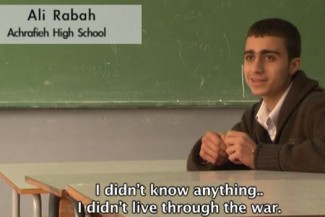
While Lebanon is post-peace agreement, it is not necessarily "post-conflict." The country struggles to address the legacy of decades of violence, and the lack of a comprehensive approach to dealing with the past means the country's youth are growing up with scant knowledge of their history. But they want to know more: one project is helping them ask those around them about the past, and giving those who lived it a chance to tell their stories.

On International Day of the Victims of Enforced Disappearances, the families of the missing maintain their vow: "until we find them." As special bodies to search for their loved ones develop, what do victims expect?

As the government and FARC reach a peace deal, they have agreed to the creation of a special unit that will search for, locate and identify the disappeared. What do victims expect from this new body?

1,300 are still missing in Nepal, nearly a decade after the country's bloody civil war ended. The peace agreement was meant to provide for the families of the disappeared, but today they are still searching for answers. As a new government body begins investigations, victims wonder: is the commission fully committed to addressing their needs?

Côte d’Ivoire is obligated to provide reparations to victims of both the political violence that shook the country following the 2010 presidential elections and the different episodes of political violence and armed conflict since 1990. Fulfilling this obligation will show that the st...