647 results

Tunis, March 22, 2022­—The International Center for Transitional Justice (ICTJ) will hold a series of cultural activities from March 21 through March 26, 2022, as part of its Wide Awake Art Contest. The contest, launched in January, invited Lebanese and Tunisian artists, as well as expat artists...

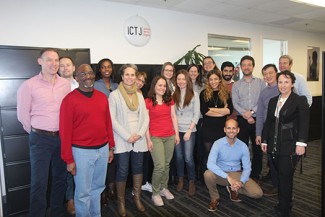
Sixteen practitioners participated in the Intensive Course on Transitional Justice and Peace Processes held in New York from March 5 to March 9, 2018. Participants included leaders in their respective fields, including human rights law, community justice and legal services, peacebuilding, education, and humanitarian affairs. Selected course presentations, led by ICTJ experts and other specialists in the field, delved into cases of current, recent, and paradigmatic peace processes and questions of justice within a comparative context.

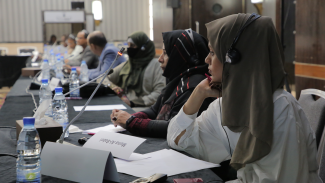
Even as the parties to the war in Yemen fail to extend the UN-brokered ceasefire, field monitors of the National Commission to Investigate Alleged Violations to Human Rights (NCIAVHR) continue to document and investigate human rights violations despite enormous challenges and serious risks to their...

In response to the recent tragic explosion in Beirut on August 4, 2020, ICTJ and 14 prominent nongovernmental organizations recently issued a joint statement, demanding immediate action to promote accountability and a new non-sectarian political system in Lebanon. The likely preventable explosion represents another appalling consequence of a dysfunctional sectarian political system that has been in place since the end of the country’s 15-yearlong civil war in 1990 and that has afforded impunity to perpetrators of human rights abuses for decades and entrenched a culture of cronyism and corruption in the country.

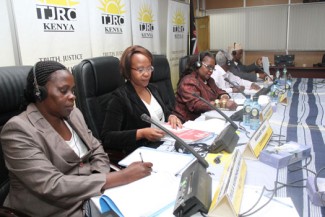
In a legal brief submitted yesterday to Kenya’s High Court, the International Center for Transitional Justice (ICTJ) warns that striking down parts of the final report of the Truth, Justice and Reconciliation Commission of Kenya (TJRC) would amount to censorship and obstruct the right of victims to an effective remedy for past violations.

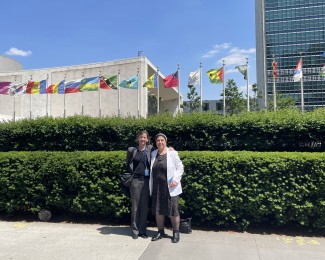
As part of its ongoing efforts to support Syrian civil society organizations seeking to end enforced disappearances in Syria, ICTJ organized a visit to the United States for members of two prominent family associations: Families for Freedom and the Caesar Families Association. The trip, which was planned in coordination with longtime partner Dawlaty, comes at a time when Syrian civil society and victims’ groups have been intensifying their calls for an international mechanism to uncover the fate of those who have gone missing in Syria since the start of the uprising in March 2011.

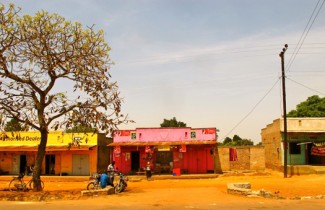
A new paper by ICTJ identifies several factors impeding Uganda's efforts to acknowledge violations and hold perpetrators accountable.

Tunisia continues to take steps to fulfill its commitments under its ground-breaking Transitional Justice Law and realize the goals of the 2011 revolution. But a rocky start to the country’s new truth commission and proposed reconciliation-cum-amnesty legislation could undermine these efforts, according to a new paper by ICTJ.

With hopes running high after the National League for Democracy’s landslide victory in November, a new ICTJ paper calls on the soon-to-be-established Burmese government to seriously consider taking steps to deal with Myanmar’s troubled past as a way to help end the cycle of violence and human rights violations in the conflict-torn country.

Civil society leaders, members of victims' groups and state officials throughout the Great Lakes region will convene in Kampala, Uganda next week at a conference hosted by ICTJ. Attendees will share their experiences working for redress in their communities and discuss what strategies have proven effective at the local level.