637 results

Côte d’Ivoire descended into chaos following the October 2010 elections. One of the enduring lessons from this tragic experience could be that elections should never give a reason to set one’s country on fire. Like it or not, however, presidential elections in Côte d’Ivoire have become a malaise that grips the country every five years. And while the 2015 presidential elections were carried out peacefully, the recent October 2020 elections unfortunately were not. The tensions and violence that accompanied it, though far less devastating, brought back macabre memories of the 2010 post-election carnage that left 3,000 people dead and forced more an a million to flee their homes.

I Am Not Who They Think I Am, a new film by ICTJ and MediaStorm, exposes the stigma facing children born of conflict and their mothers and advocates for their right to reparations and redress from the state.

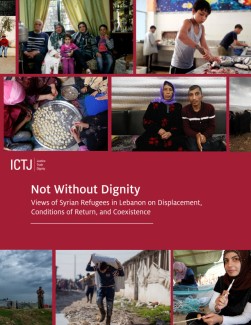
Discussions about a future return of refugees and coexistence among groups currently at war in Syria must begin now, even in the face of ongoing violence and displacement. This report, based on interviews with refugees, makes it clear that the restoration of dignity will be important ...

While Armenia may rightfully seek acknowledgment from its neighbors of the genocide and other egregious violations, for its part, it must have the courage to reckon with its own recent past in the 30 years since achieving statehood, which includes war crimes, systematic corruption, and large-scale human rights abuses against its own citizens. Failing to do so ultimately threatens the young republic’s democracy.

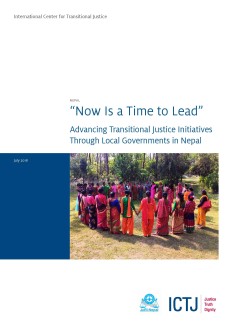
This report aims to help local governments, victims’ groups, and other stakeholders in Nepal to understand the scope of and potential inherent in local governmental powers and to identify what local governments can do to design and implement initiatives that support victims ...

A new ICTJ report on truth and memory in Nepal sparked discussion – and calls for victim-centered policies – at national and local launch events.

After a society is torn apart by conflict or repression, who decides whether to remember or forget the painful past? Can forgiveness happen without acknowledgement of wrongdoing? Is there a difference between forgetting and denial? Join us as ICTJ debates the impact of remembrance on reconciliation with David Rieff and Pablo de Greiff.

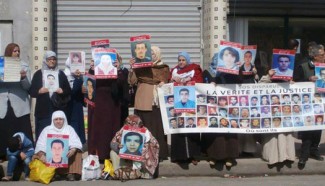
For more than two decades, some 40 women have been protesting every Wednesday against government inaction on the disappeared in front of Algeria’s official human rights commission. They stand on the sidewalk holding photos of their disappeared relatives — their children, fathers, and husbands — breaking the silence at a dangerous time in Algeria.

This Wednesday saw the beginning of formal peace talks between the Colombian Government of Juan Manuel Santos and the leadership of the left-wing FARC guerrillas. This op-ed from ICTJ Vice President Paul Seils argues that a successful outcome will not be measured simply in the effective demobilization of roughly 8,000 militants. Durable peace will require a reimagining of the Colombian state, which has become both victim and perpetrator in a conflict now over half a century old.

The one-day forum “Latin American Experiences with Truth Commissions,” organized by the International Center for Transitional Justice in Bogotá on July 22, brought together leading experts to discuss experiences and lessons learned from truth-seeking processes that shed light on massive human rights violations in four countries: Argentina, Guatemala, Paraguay, and Peru.