



637 results

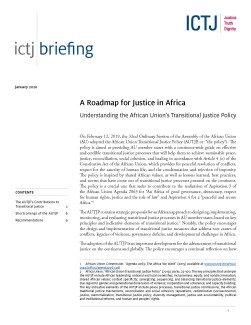
On February 12, 2019, the Assembly of the African Union adopted the African Union Transitional Justice Policy. The policy serves as a guide for member states on effective and credible transitional justice processes to achieve sustainable peace, justice, reconciliation, social cohesion...

PDF of the first page of the briefing paper "A Roadmap for Justice in Africa"

Youth activists in Tunisia have played a vital role in keeping corruption at the center of public debate since the country's revolution in 2011. Through decentralized, nationwide protest movements, young Tunisians have been calling for measures that root out systems of endemic corruption. ICTJ sat down with one youth leader to discuss her activism and views on Tunisia's transitional justice process.

This publication sets out basic principles and approaches to truth commissions and is intended to assist policymakers in advising on the development of truth-seeking mechanisms. It summarizes lessons learned from the experiences of over 30 truth commissions in the past two to three d...

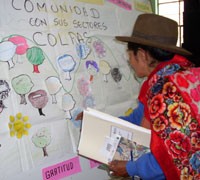
ICTJ has released One morning they came to our community: Stories of political violence in communities of Peru, a compilation of victims’ stories about Peru’s internal armed conflict from 1980 to 2000. The stories constitute an important form of recognizing the truth, as well as a demand for justice and reparations.

The civil war in El Salvador officially ended 20 years ago, yet justice and accountability for past violations remain acutely absent. To launch a Spanish language podcast series focusing on Latin America ICTJ spoke with Carlos Dada, editor of the digital newspaper El Faro, about the critical role the media has played in uncovering the truth about past atrocities in El Salvador.

This briefing paper sets out the obligations of the state and international best practice with respect to the right to truth, both as a key element of a transitional justice strategy and as a critical component of providing effective remedy to victims of gross violations of human righ...

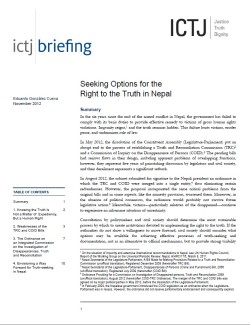
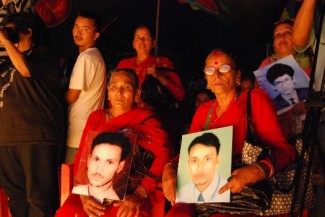
Six years after the conflict ended, the government of Nepal has failed to initiate a comprehensive investigation into the past. As a result, it has failed to uphold the rights of victims and Nepali society to know the truth about abuses. Inaction is particularly cruel regarding the relatives of the disappeared, for whom lack of information on the fate and whereabouts of their loved ones equates to permanent anguish and extreme suffering.

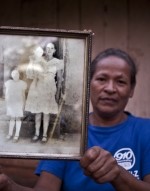
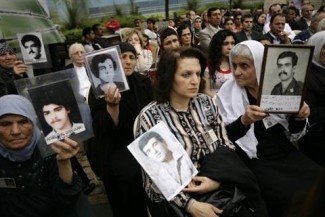
Lebanon has ruled that families of missing and disappeared persons would be allowed access to the investigation files and full report of the Commissions of Inquiry on the Missing and Forcibly Disappeared in Lebanon. In a new episode of our ICTJ Forum, we speak with lawyer Nizar Saghieh about what the ruling means for Lebanese families who continues to search for their missing loved ones.

The importance of an independent, representative, and competent truth and reconciliation commission (TRC) to guarantee the rights of victims to truth, justice, and reparations should not be underestimated. Key recommendations in this regard are included in this briefing.

This report examines the preventive impact of transitional justice mechanisms in Colombia before the 2016 peace agreement. It finds that these measures have contributed to prevention by strengthening institutional responses to rights violations, shaping the public agenda, developing a...