



637 results

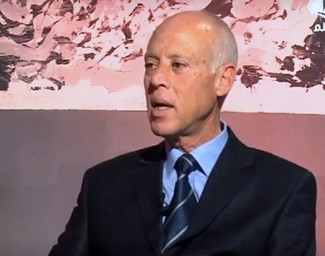
Recently, Tunisia held its third parliamentary elections since the revolution and the second presidential elections since late President Béji Caid Essebssi passed away on July 25, 2019. It remains to be seen if the election’s results will usher in a new era of dignity, for which Tunisians took the streets in 2010 and 2011.

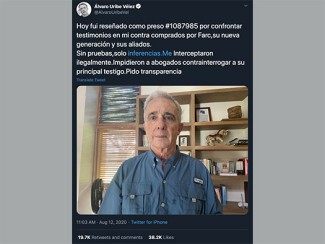
On August 4th, former President Alvaro Uribe surprised the country with a tweet announcing that he would be placed under house arrest for suspected witness tampering and obstruction of justice by the Special Instruction Chamber of the Supreme Court of Justice as part of an investigation that has been underway since 2018. According to the court, this decision was made out of a concern for possible obstruction of justice, which appears to be consistent with the ongoing investigation into these same charges. This is undoubtedly an unprecedented situation.

As the refugee crisis deepens, does action on transitional justice issues have to wait for peace? A new paper explores what sort of consultation and documentation work can be done now, while conflict is ongoing, to shape outcomes moving forward.

Why pursue transitional justice in the aftermath of massive human rights violations? “The Case for Justice” provides a window into the debate about the relevance of transitional justice in today’s world.

This paper considers the efforts of Timor-Leste’s Commission for Reception, Truth and Reconciliation to address the forced displacement that occurred during the period of Indonesian occupation and in the post-Popular Consultation violence of 1999. It examines linkages between the work...

This briefing paper examines how transitional justice approaches can guide the discussion around dismantling systemic racism in the United States to focus on root causes of violence and racial injustice. Drawing from relevant experiences internationally and within the United States, i...

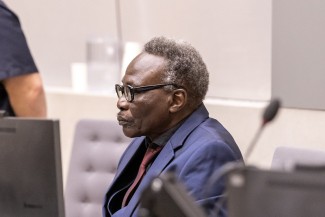
On October 6, the International Criminal Court (ICC) found former Janjaweed militia leader Ali Muhammad Ali Abd-Al-Rahman (also known as Ali Kushayb) guilty of 27 counts of crimes against humanity and war crimes committed in Darfur between August 2003 and March 2004. This landmark verdict counters cycles of impunity in Sudan and sends a powerful message that these crimes are not tolerated.

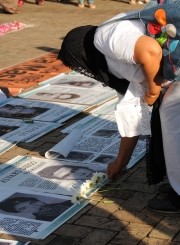
In a conversation dedicated to the International Day of the Disappeared, Eduardo Gonzalez, director of ICTJ’s Truth and Memory Program talks to Jose Pablo Baraybar, director of the Peruvian Forensic Anthropology Team. Gonzalez and Baraybar explore why it is crucial for societies in transition to address the issue of the disappeared, the tension between demands of conventional justice and the right to truth, and the need for a strategy in searching for the disappeared.

In Tunisia, the Truth and Dignity Commission's public hearings have fundamentally altered the dialogue around the past in Tunisia. To mark the International Day for the Right to Truth ICTJ Director of Communications Refik Hodzic sat down with two women whose work has been critical to the success of the commission – ICTJ Salwa El Gantri and TDC Commissioner Ibtihel Abdellatif – to discuss what they have taken away from public hearings so far.

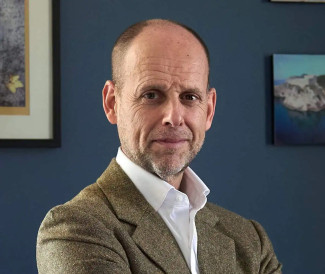
The outlet PassBlue recently interviewed ICTJ Executive Director Fernando Travesí-Sanz about the challenges and breakthroughs ICTJ has encountered while facilitating a victims-led path to transitional justice in post-Assad Syria. Travesí-Sanz compared the experience to the lessons learned from Colombia’s post-conflict transition, revealing the nuanced, fragile nature of both retroactive justice and long-term peacebuilding.