




518 results

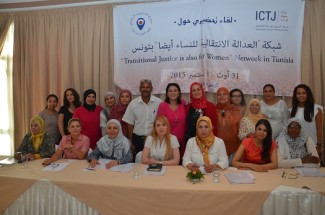
In collaboration with 11 Tunisian human rights organizations from nine regions, ICTJ recently established the network “Transitional Justice is also for Women” to engage women as active participants in transitional justice initiatives.

In this op-ed, ICTJ's President David Tolbert urges President Uhuru Kenyatta and Kenyan institutions to take concrete actions without further delay to provide reparations for victims, tackle the struggling police vetting reform, and prosecute the serious crimes that were committed during the post-election violence.

On 26 June each year, the world marks the International Day in Support of the Victims of Torture. The day was instituted in 1997 by the General Assembly of the United Nations, in an effort to build up the unanimity of condemnation required to abolish torture effectively in our time. In the effort to...

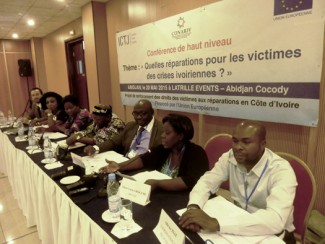
ICTJ recently facilitated consultations on reparations policy between victims of the Ivorian crisis and the National Commission for Reconciliation and Compensation for Victims in Abidjan, Côte d’Ivoire.

ICTJ's Virginie Ladisch explores the consequences of social stigmatization and other problems facing children born of war in Uganda, Nigeria and beyond in this new op-ed.

A new paper by ICTJ identifies several factors impeding Uganda's efforts to acknowledge violations and hold perpetrators accountable.

As Kenya moves closer to a climate where comprehensive reparations for victims of post-election violence are possible, ICTJ is supporting women victims of sexual violence to ensure that their needs are reflected in any program of restitution.

In this op/ed, the head of ICTJ's Kenya Program, Christopher Gitari, argues that President Kenyatta's recent apology to victims—though commendable—must be supported by solid reforms and initiatives for rebuilding the lives of those who have suffered the most.

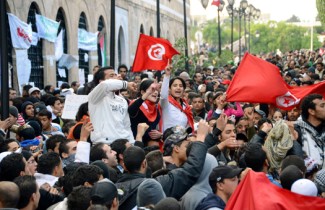
As Tunisia’s Truth and Dignity Commission (TDC) prepares to hear the testimonies of thousands of citizens, ICTJ is assisting women’s groups in ensuring that their voices are heard in the process.

ICTJ, in alliance with organizations Corporación Caribe Afirmativo, Colombia Diversa and Santa María Fundación organized meetings with activists and victims of the conflict to learn more about the needs of the LGBTI community, and to consider how transitional justice measures—especially non-judicial approaches—can contribute towards protecting their rights.