


530 results

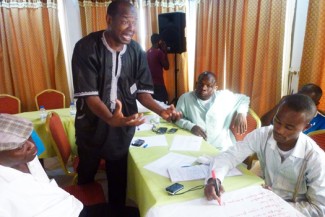
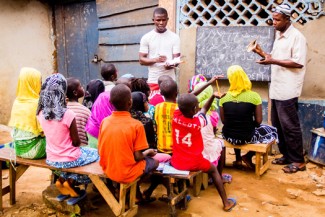
In order to create lasting reconciliation between the victims of post-election violence and the Côte d’Ivoire state, the reparations program must respond to the most serious consequences of the violence for victims through measures that address their long-lasting socioeconomic, psychosocial, and education-related effects for victims and their children. To do that, ICTJ's Cristián Correa and Didier Gbery spent more than a year discussing needs with victims groups throughout the country.

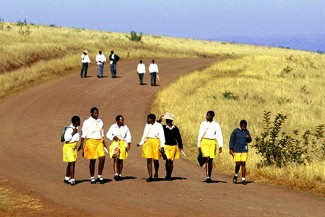
Understanding education as a form of both reconstruction and reparations is essential for societies in their efforts to address victims’ rights and help victims and their families overcome the consequences of a painful past.

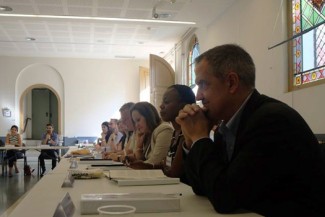
This summer, our Intensive Course on Transitional Justice and Peace Processes brought experts from around the world together in Barcelona to examine how transitional mechanisms can be integrated into peace negotiations. Read about the course and watch interviews with our experts.

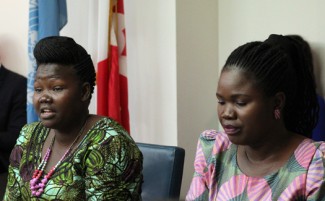
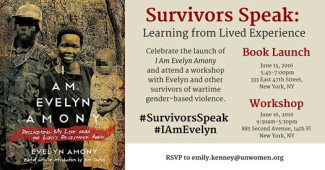
Workshop gathers survivors of gender-based wartime violence to share experiences with policymakers and practitioners.

The voices of Tunisian women were in danger of being lost in the country's transitional process. Salwa El Gantri explains how one network of women's organizations made sure that did not happen by helping women find their voice and fight for justice.

Evelyn Amony tells the harrowing story of her years in captivity with the LRA, and experience of grinding poverty and stigma after returning home with two children, in her new memoir, I Am Evelyn Amony: Reclaiming my Life from the Lord's Resistance Army. The autobiography, which tells the difficult truths of women and girls in wartime as only a firsthand witness can, will be launched today in New York, at the Japan Society.

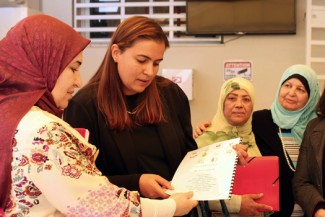
For decades, veiled women in Tunisia were deprived of their rights and discriminated against because of their religious beliefs. Now, they’re joining together to tell their stories and seek justice from the Tunisian government.

Myanmar may have a new government under Aung San Suu Kyi, but former political prisoners continue to face challenges throughout the country. A new report sheds light on prisoners' challenges and recommends steps the government can take to offer redress.

The Ivoirian government has a critical opportunity to define and implement a reparations policy that responds to the needs of the most vulnerable victims of the political, military and social crises experienced by Côte d’Ivoire between 1999 and 2012, according to the International Center for Transitional Justice (ICTJ).

Today, ICTJ opened a two-day conference in Kampala, Uganda, gathering activists and officials from the African Great Lakes Region to discuss efforts at redress and accountability for serious human rights violations committed in their countries.