



530 results

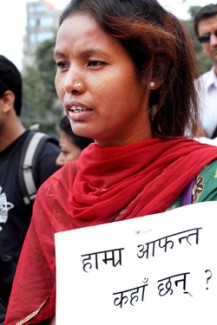
Based on the findings of over 450 interviews, this briefing paper looks at the socioeconomic impact of enforced disappearances on the wives of the disappeared in Nepal. More than 1,000 people remain unaccounted for after Nepal’s 10-year conflict ended in 2006. The majority were young ...

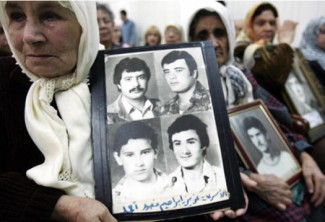
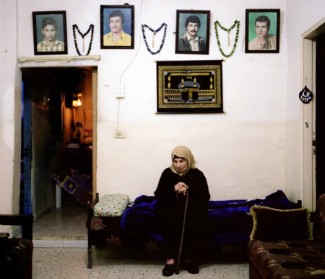
In the brutality of armed conflict or tyranny of a repressive regime, many who go missing are never found again: whether “disappeared” by agents of the state or abducted by an armed faction, the whereabouts of thousands are still unknown to this day. On this International Day of the Disappeared, ICTJ recognizes that enforced disappearances constitute crimes against humanity, and they affect women in ways unique from the impact on men.

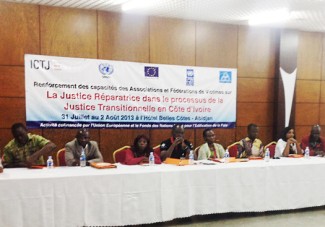
In Cote d’Ivoire, victims of the 2010-11 post-election violence have yet to receive reparations for violations that occurred during the political upheaval following the election of President Ouattara. Victims’ organizations in Cote d’Ivoire joined ICTJ and the ONUCI Human Rights Section for a three-day training session in Abidjan on reparative justice and the right to reparation.

ICTJ is launching a new multimedia page featuring projects that highlight the human perspective of issues in transitional justice and seek to engage a wide variety of audiences in a discussion on accountability for massive human rights abuses. Here's why we think multimedia can play a key role in deepening public understanding of transitional justice, and convey the guiding principles of ICTJ.

While contemporary understandings of restitution have been shaped by international responses to displacement and are primarily humanitarian in nature, restitution has its conceptual roots in traditional rules governing remedies for breaches of international law and is related to trans...

Although transitional justice processes are intended to help heal and restore society after conflict or authoritarian rule, marginalized groups often struggle to make their voices heard. These groups include those who have been displaced by conflict and, within that category, those wh...

As Tunisia concludes its final deliberations on the new constitution, transitional justice issues such as reparations for victims, truth about the past and the rights of women have been central to the legislative debates. Over the past month, ICTJ’s leading experts have been engaged with stakeholders on the ground on a variety of issues under deliberation, including truth-seeking, reparations, gender justice, and the role of children and youth.

This report evaluates the government of Peru’s partial results in providing compensation to victims of the internal armed conflict that devastated the country from 1980 to 2000. It provides a detailed analysis of the process of implementing the Comprehensive Reparations Plan, establis...

Reparations seek to recognize and address the harms suffered by victims of systematic human rights violations. ICTJ’s Reparative Justice program provides knowledge and comparative experience on reparations to victims' groups, civil society and policymakers worldwide. In this edition of the ICTJ Program Report, we look at ICTJ's work on reparations in dynamic transitional contexts such as Nepal, Colombia, Peru, DRC, and Uganda.

An ICTJ immersion course brought together women from Egypt, Yemen, Syria, and Libya to closely observe Tunisia’s emerging experience in transitional justice, including the ways in which issues of gender-based violence and the experiences of women are being addressed.