



261 results

Given that women represent a very large proportion of the victims of conflicts and authoritarianism, it makes sense to examine whether reparation programs can be designed to redress women more fairly and efficiently and seek to subvert gender hierarchies that often antecede the confli...

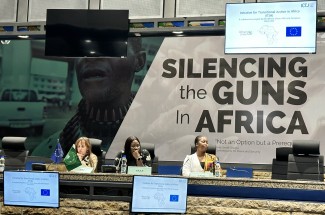
On October 25, the African Union (AU) and European Union officially launched their joint Initiative for Transitional Justice in Africa (ITJA) in Addis Ababa. The project will take place over a three-year period and will promote national transitional justice processes in Africa, in line with the AU Transitional Justice Policy and its roadmap. The ITJA has several unique features that, if embraced and advanced by all actors, have the potential to trailblaze a new and inspiring path to peace, justice, and sustainable development on the African continent.

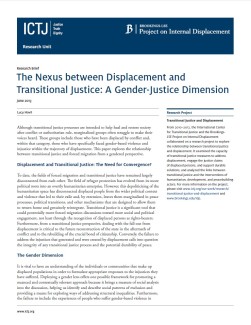
Although transitional justice processes are intended to help heal and restore society after conflict or authoritarian rule, marginalized groups often struggle to make their voices heard. These groups include those who have been displaced by conflict and, within that category, those wh...

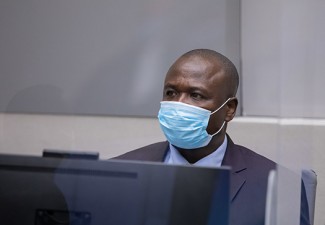
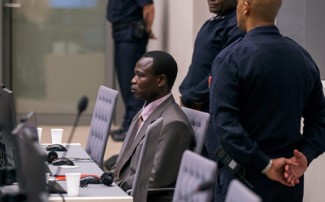
On February 4, 2021, the International Criminal Court issued its judgment in the case of the Prosecutor v Dominic Ongwen. The ICC found Ongwen guilty of 61 counts of crimes against humanity and war crimes committed in Northern Uganda between July 1, 2002, and December 31, 2005. The verdict recognizes the enduring impact of the crimes on the victims, their families, and Ugandan society more generally.

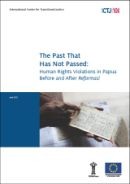
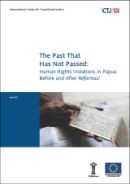
This joint report by ICTJ and the Institute for Human Rights Study and Advocacy (ELSHAM-Papua) provides important insight into the ongoing debate on steps required to achieve a sustainable peace in Papua. The report reviews Papua's recent history within a transitional justice framewor...

This joint report released today by the International Center for Transitional Justice (ICTJ) and the Institute for Human Rights Study and Advocacy (ELSHAM-Papua) provides important insight into the ongoing debate on steps required to achieve a sustainable peace in Papua. The report reviews Papua's recent history within a transitional justice framework, and provides expert recommendations on truth seeking, justice, reparations, institutional reform, and enforcing the rights of women victims.

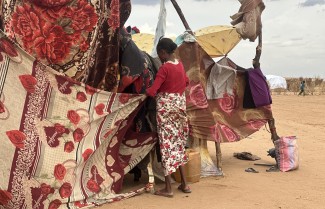
Despite the enormous challenges, Sudanese civil society and other stakeholders are prioritizing transitional justice, acknowledging the need to address past injustices to end the cycle of conflict in their country. ICTJ continues to support them as they envision and design victim-centered, gender-sensitive, and inclusive strategies. Leading these efforts is ICTJ's Ilaria Martorelli. In this interview, she discusses the prospects for lasting peace, accountability, and repair in Sudan.

The field of transitional justice is increasingly recognizing the relevance of mental health and psychosocial support (MHPSS) in contexts of massive human rights violations. Despite growing advocacy and awareness at the global policy level, however, the field lacks a systematic approa...

an image of colorful painting featuring a young girl

This week, the International Criminal Court heard closing arguments in the trial of Dominic Ongwen, a top commander of the Lord’s Resistance Army in Northern Uganda. Among the 70 counts of war crimes and crimes against humanity he faces are 19 counts of sexual and gender-based crimes, including rape, sexual slavery, and forced marriage—the widest range of such crimes ever to be brought to trial before the court. The case thus marks a milestone in the jurisprudence of these international crimes.

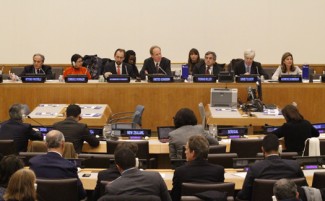
Seeking justice for victims of enforced disappearance is crucial to building peace and preventing recurrence of violence in societies emerging from conflict, ICTJ President David Tolbert told members of the United Nations Security Council and other diplomats last week.