


259 results

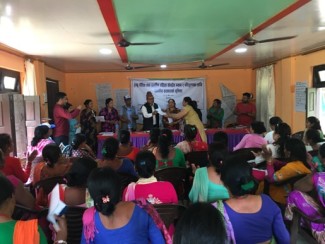
Nepal’s new local government structure – comprised of districts, municipalities, sub-municipalities, and wards formed within the new federal system under the 2015 Constitution – offers the possibility of some individualized redress for victims at the community-level. This article by Elena Naughton was published in the Kathmandu Post on May 6, 2018.

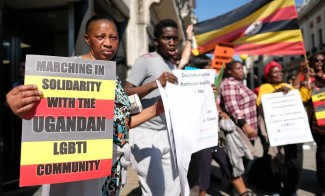
On March 21, the Ugandan Parliament passed the Anti-Homosexuality Bill, adopting the harshest anti-LGBTQ+ law in the world. Under it, homosexuality is punishable by life imprisonment, while "aggravated homosexuality" is punishable by death. The bill not only threatens the rights of LGBTQ+ persons, it undermines and erodes Uganda’s commitment to human rights.

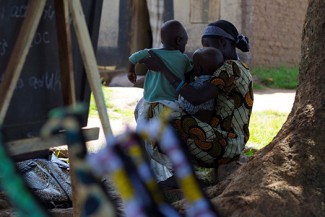
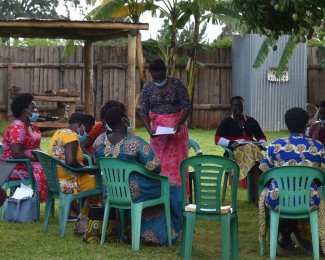
ICTJ and its partners will hosted a national dialogue in Kampala, Uganda on the aftermath of sexual violence. The aim: to shift stigma from victims to perpetrators and end the culture of silence. Sarah Kihika Kasande, head of ICTJ's Uganda office, explains why such efforts are essential to ending impunity and securing a lasting peace in the country.

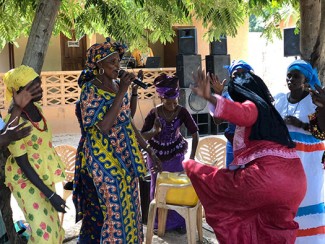
The Gambian Truth, Reconciliation, and Reparations Commission (TRRC) started its operations in January 2019 with the public hearings of witnesses, victims, and perpetrators. It has already succeeded in having high-profile perpetrators testify publicly on their role in violations concerning several victims. But the question is, who should be at the center of truth telling?

Reparations for victims of sexual and gender-based violations (SGBV) raise a series of complicated questions and implementation challenges around how to acknowledge this category of victims and deliver reparations without exposing victims to stigma and rejection. Victims must weigh the risk of...

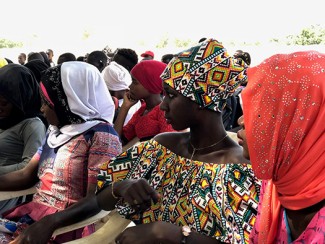
On October 14, The Gambia’s Truth, Reconciliation and Reparations Commission will begin public hearings with women victims who have dared break the nation’s silence around sexual violence. The hearings represent an important step toward the inclusion of women and their experiences in the Gambian truth-seeking process. But we cannot stop there.

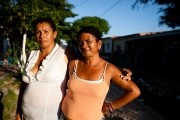
Where states commit widespread and systematic crimes against their citizens, or fail to seriously try to prevent them, they have a legal obligation to acknowledge and address the suffering of victims. Reparations, both symbolic and material, publicly affirm that victims are entitled to redress. Through video and three photogalleries, ICTJ’s multimedia project Voices of Dignity tells the story of two courageous women from Colombia, and their struggle for acknowledgement and redress in a country where more than four million people have been affected by decades of civil war.

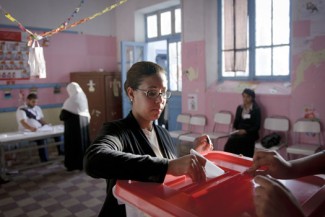
After emerging from its revolution with a new constitution and a comprehensive transitional justice law, Tunisia is setting into motion a process to learn the truth about the country’s time under repressive rule.

More than fifty years of conflict in Colombia have left hundreds of thousands of victims of multiple forms of violence, such as forced disappearance, murder, extra-judicial executions, kidnappings, torture and various forms of sexual and gender-based violence, including rape.

For decades, veiled women in Tunisia were deprived of their rights and discriminated against because of their religious beliefs. Now, they’re joining together to tell their stories and seek justice from the Tunisian government.