


793 results

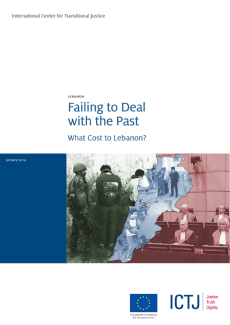
A culture of impunity for serious violations of human rights continues to thrive in Lebanon, says a report released today by ICTJ.

This report examines the situation of impunity in Lebanon that has persisted since the 1975-1990 war through the lenses of core elements of transitional justice. It analyzes Lebanon’s past experience of ineffective transitional justice measures -- including limited domestic trials, na...

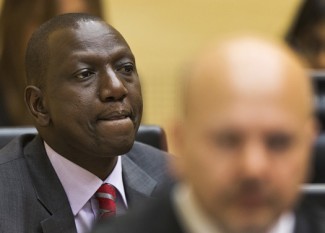
Join ICTJ and the Center for Global Affairs for a conversation on how the ICC and the African Union can move forward, and what the AU position means for effective prosecutions within Africa and elsewhere.

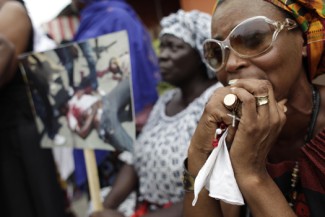
Nearly three years after violence in Cote d’Ivoire claimed the lives of over three thousand civilians and displaced hundreds of thousands, victims have yet to receive adequate reparation for the harm they suffered. ICTJ convened victims’ organizations, civil society, government officers and others to assess how the country should move forward to ensure victims see their right to reparation fulfilled.

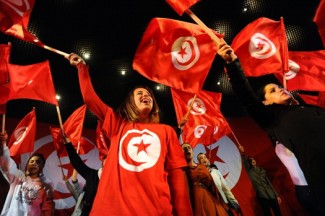
Marking three years since Tunisia's revolution, ICTJ President David Tolbert argues that transitional justice developments in the country are not only worthy of attention, but serve as useful markers for transitions in the region and beyond.

Three years after Tunisia's revolution, victims in the south of the country are still facing severe economic and social marginalization. In recent workshops with ICTJ, they explain why collective reparations and development are both central parts of their vision of justice.

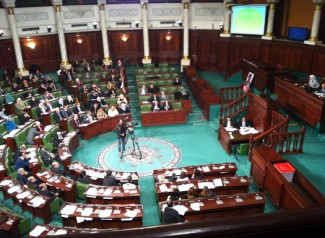
ICTJ welcomes the historic passage of the Draft Organic Law on the Organization of Transitional Justice Foundations and Area of Competence by the Tunisian National Constituent Assembly (NCA). In a nearly unanimous vote on Sunday, 125 of 126 deputies voted in favor of the law.

Guatemalan lawyers for victims in the case against former dictator Efraín Ríos Mont filed a petition before the Inter-American Commission on Human Rights to condemn the state of Guatemala for the impunity for crimes of genocide and crimes against humanity committed against the Ixil people.

In this opinion piece, Lucia Withers argues that Nepal's elected parties and their representatives should not limit their discussions to the establishment of a truth commission or whether it will provide for amnesties and/or prosecutions. Rather, they should focus on designing policies that are more comprehensive and that would better serve the rights and needs of conflict victims and contribute to broader peace-building efforts.

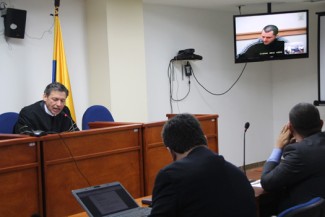
The recent verdict issued by the Justice and Peace Courtroom of the High Tribunal of Bogota on October 30th against Hebert Veloza Garcia, paramilitary commander of the United Self-Defense Forces of Colombia (AUC), sets a valuable precedent for the prosecution of system crimes in Colombia.