






611 results

President Jacob Zuma risks irreparably damaging the credibility of core elements of South Africa's deal with the victims of apartheid with his current plan to pardon 149 serious offenders and to potentially consider another 926 applications which are before him. Such a move would mark a profound breach of trust with the victims and South African society at large.

Bosnian Serb leader Radovan Karadzic was recently sentenced by the ICTY to 40 years for genocide and crimes against humanity, crimes which have decisively shaped the society in Bosnia and Herzegovina. In this essay, ICTJ’s Refik Hodzic explores what would it take for this poisonous legacy to be dismantled and makes a case for acknowledgement and reparations as matters of moral imperative, but also of political necessity.

This paper is meant to help the Extraordinary Chambers in the Courts of Cambodia (ECCC), the civil parties before the court and other Khmer Rouge period survivors and their families deal with practical and legal issues in the course of fulfilling the reparations mandate of the ECCC. ...

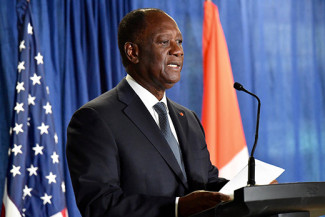
On the eve of Côte d'Ivoire’s 58th independence anniversary, in a dubious attempt at “social cohesion,” President Alassane Ouattara granted amnesty to 800 persons accused or convicted of crimes against the state during the post-election crisis of 2010-2011. Former First Lady Simone Gbagbo — who had been tried for undermining state security — and other high-ranking officials associated with former President Laurent Gbagbo’s party, the Ivorian Popular Front (FPI), were among those released. The lapses in accountability and acknowledgment in Cote d’Ivoire have emboldened perpetrators and made it impossible for many victims to move on with their lives. The challenges of transitional justice processes present clear obstacles to the sustainable peace that the people of Cote d’Ivoire have been working toward.

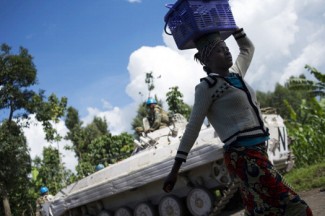
In this opinion piece, ICTJ's Sharanjeet Parmar asks: why do international efforts to tackle impunity for sexual violence in the DRC continue to miss the mark? High-level diplomatic visits are important in underscoring the responses needed for sexual violence survivors. However, without a strong political commitment from top Congolese authorities to address rampant impunity for sexual violence, no amount of attention or media coverage will reduce the violence or put an end to the cycles of suffering.

For the millions of victims of the country’s successive wars, Lubanga is just one of many who are responsible for crimes on an astonishing scale. Congolese authorities must end the widespread impunity enjoyed by those who remain in positions of power in the government and military or violence and instability are likely to continue for years to come.

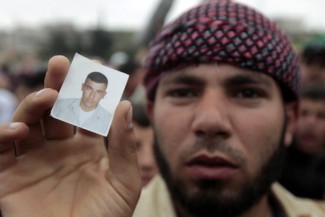
With enforced disappearances on the rise, ICTJ President David Tolbert says the path to prevention is clear: the international community must reorder its priorities and change its approach. The disproportionate attention on counterterrorism takes us further away from accountability and prevention, Tolbert writes. He urges the international community to lead the way in unequivocally censoring governments that use enforced disappearance as a political tactic — and ensuring there can be no impunity for this crime.

Alex Boraine, founder of the ICTJ and soldier in the struggle for human rights around the world, will be laid to rest in Cape Town today. He has been called the “Prince of Peace” for his lifelong commitment to transforming South Africa’s society through truth, reconciliation, justice, following the horrors of apartheid.

Overview of the proceedings of the ECCC, the hybrid tribunal created in 2006 to try senior leaders of the Khmer Rouge and those "most responsible" for the crimes that took place. The court has five suspects in custody and has almost completed its first trial which began in March of 20...

This report considers the work of the Special Prosecutor's Office (SPO) in Mexico, established to deal with crimes that public servants commit against social and political groups. It describes the basic requirements of investigation into "system crimes," emphasizing the need for an ap...