


614 results

The Special Court for Sierra Leone-which began with the hope that it would be accessible to millions of Sierra Leoneans- has fallen short of its domestic goals. The decision to try Taylor in The Hague, rather than in Freetown, and the lack of adequate outreach activities made the cour...

This briefing paper examines how transitional justice approaches can guide the discussion around dismantling systemic racism in the United States to focus on root causes of violence and racial injustice. Drawing from relevant experiences internationally and within the United States, i...

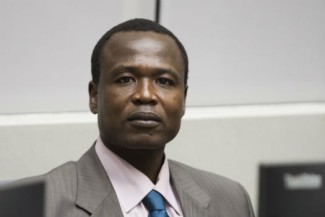
Dominic Ongwen's ICC trial will determine whether the former child-soldier-turned-LRA-commander is guilty or innocent. However, for those of us supporting justice globally, discussion must extend beyond simple dichotomies: the reality of Ongwen’s actions and the context in which they occurred is much more complex than whether he is guilty or innocent. Moreover, the calls for justice by victims in Uganda extend far beyond the trial of a single man, and demand a multifaceted response.

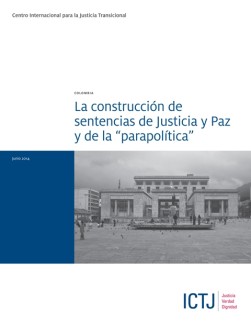
This report is the result of research conducted by consultant Olga Lucía Gaitán for the International Center for International Justice (ICTJ) to analyze the rulings handed down by the Justice and Peace Chambers and the Criminal Chamber of the Supreme Court of Justice in Colombia. The ...

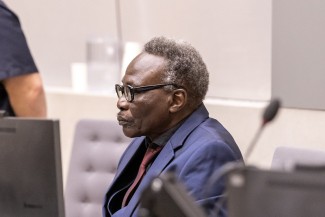
On October 6, the International Criminal Court (ICC) found former Janjaweed militia leader Ali Muhammad Ali Abd-Al-Rahman (also known as Ali Kushayb) guilty of 27 counts of crimes against humanity and war crimes committed in Darfur between August 2003 and March 2004. This landmark verdict counters cycles of impunity in Sudan and sends a powerful message that these crimes are not tolerated.

Justice and peace have been the highest aspirations of modern societies. Legislative bodies have enacted laws such as Law 975 of 2005, which ordered the State to provide instruments to resolve armed conflicts without neglecting fundamental social interests of truth, justice, and repar...

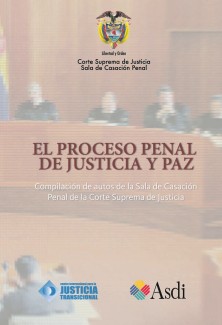
This is a compilation of cases from the Criminal Chamber of the Supreme Court of Colombia.

The International Center for Transitional Justice publishes a selection of excerpts from the Supreme Court's rulings and judgments regarding the Justice and Peace process.

Years have lapsed since the Democratic Republic of Congo (DRC) ratified the Rome Statute of the International Criminal Court (ICC) in March 2002, but the DRC government has yet to meet its legal obligation to incorporate the statute into national law. Adopting such legislation is esse...

The outlet PassBlue recently interviewed ICTJ Executive Director Fernando Travesí-Sanz about the challenges and breakthroughs ICTJ has encountered while facilitating a victims-led path to transitional justice in post-Assad Syria. Travesí-Sanz compared the experience to the lessons learned from Colombia’s post-conflict transition, revealing the nuanced, fragile nature of both retroactive justice and long-term peacebuilding.