


484 results

This report examines the situation of impunity in Lebanon that has persisted since the 1975-1990 war through the lenses of core elements of transitional justice. It analyzes Lebanon’s past experience of ineffective transitional justice measures -- including limited domestic trials, na...

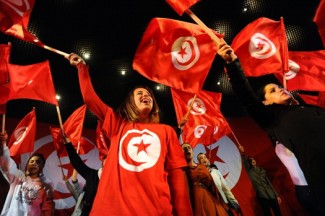
Marking three years since Tunisia's revolution, ICTJ President David Tolbert argues that transitional justice developments in the country are not only worthy of attention, but serve as useful markers for transitions in the region and beyond.

In this op-ed marking Universal Children’s Day, ICTJ's Virginie Ladisch explains why within transitional justice, the capacity to make positive choices and demonstrate moral agency are attributes that need to be encouraged and fostered in children, especially former child soldiers.

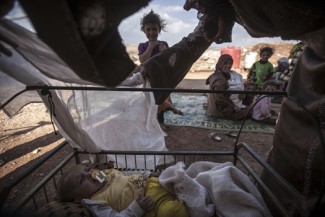
A newly adopted UN Security Council resolution calls on the Syrian government to cooperate in destroying its chemical weapons arsenal, stressing that “those responsible for any use of chemical weapons must be held accountable.” Yet, it does not provide a framework for pursuing accountability, in the short or long term. What role might transitional justice play in a post-conflict Syria? Should Syria rush to prosecute war criminals once the fighting draws to a close? These are some of the pressing questions explored in ICTJ’s newest briefing paper.

This briefing paper focuses on establishing a credible approach to accountability and human rights in a post-conflict Syria. Looking ahead to an eventual resolution to the war, it recognizes that Syrian authorities and civil society, as well as the international community, will have t...

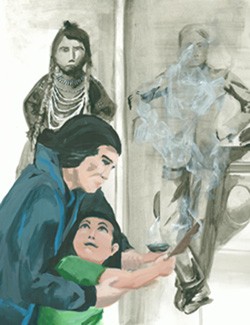
ICTJ welcomes the 6th National Event of Canada's Truth and Reconciliation Commission, part of the TRC’s journey towards completion of its mandate: to learn the truth about what happened in the residential schools, and to inform all Canadians about this history.

Children and youth are especially vulnerable to the effects of conflict and gross human rights violations. In this edition of the ICTJ Program Report, ICTJ's Children and Youth Program Director Virginie Ladisch talks with us about the importance of integrating child and youth sensitivity into transitional justice mechanisms.

ICTJ is launching a new multimedia page featuring projects that highlight the human perspective of issues in transitional justice and seek to engage a wide variety of audiences in a discussion on accountability for massive human rights abuses. Here's why we think multimedia can play a key role in deepening public understanding of transitional justice, and convey the guiding principles of ICTJ.

As Tunisia concludes its final deliberations on the new constitution, transitional justice issues such as reparations for victims, truth about the past and the rights of women have been central to the legislative debates. Over the past month, ICTJ’s leading experts have been engaged with stakeholders on the ground on a variety of issues under deliberation, including truth-seeking, reparations, gender justice, and the role of children and youth.

In an unprecedented act of unity, youth activists from across Bosnia and Herzegovina united to visit sites of former detention camps and pay respect to victims from all ethnic groups and sides of the conflict. Some 50 activists of the initiative “Because It Matters” from Prijedor, Banja Luka, Mostar, Tuzla, Sarajevo, Ljubuski, Gradiska, Konjic and other cities visited locations in Hadzici, Celebici, Jablanica, and Dretelj, where crimes were committed against civilians of Bosniak, Serb, and Croat ethnicities.