3 results

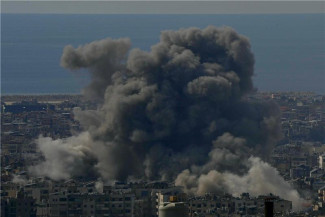
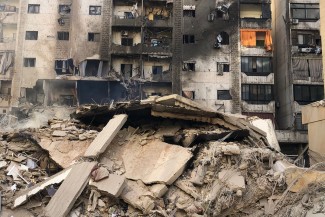
Recent Israeli strikes in Beirut and other populated areas in Lebanon, among the conflict's most intense so far, have destroyed critical infrastructure and devastated civilian communities. ICTJ stands unequivocally with the Lebanese people and all victims across the region and calls for an immediate end to all attacks on and threats to civilian communities and infrastructure.

The ongoing war in the Middle East is not an isolated event; it represents a 75-year cycle of violence marked by historical grievances, geopolitical struggles, and humanitarian crises. In the latest episode of this tragic story, Lebanon has become the newest battlefield. So far, the conflict has caused widespread destruction, killed or injured thousands, and displaced over a million in Lebanon. The country now faces many daunting questions about reconstruction, reparations for victims, and the type of society that will emerge in the war’s aftermath.

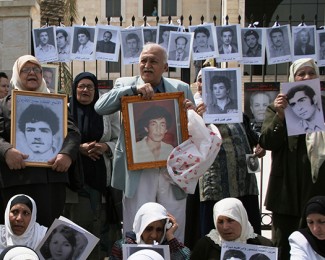
Ever since the armed conflict in Lebanon broke out in the mid-1970s, the main demand of the families of the missing and disappeared has been to secure the right to know the truth and the right to an effective investigation, verification of facts, and public disclosure of what happened. These families persisted in their demands over the decades, against the odds and despite social, political, and cultural forces pushing for collective amnesia. Their perseverance, along with civil society’s invaluable efforts, shined a continuous light on the issue of the disappeared, igniting a public debate that parliamentarians could no longer ignore. Last month, they voted in favor of the Law for the Missing and Forcibly Disappeared Persons in Lebanon.