
198 results

Civil society actors involved in transitional justice processes use narrative communication in strategic and agile ways. This work is vitally important, and yet it does not receive the attention and support it should.

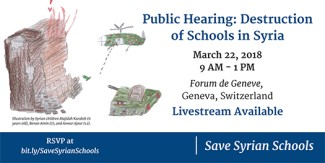
On March 22, Syrian victims and activists will gather in Geneva, Switzerland for a public hearing-style event examining the impact of the destruction of schools in the context of the Syrian conflict. The event will be hosted by the International Center for Transitional Justice and the ten Syrian organizations that together comprise the Save Syrian Schools project. A livestream will be available.

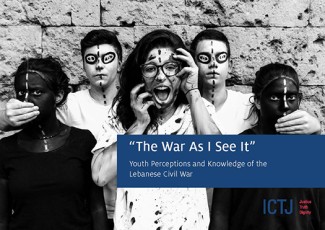
A new, photo-filled publication from the International Center for Transitional Justice details how photos taken by Lebanese young people across the country helped to spark discussion about the disturbing, often-overlooked legacy of the Lebanese civil war.

In a fast-changing world, ICTJ regularly reexamines and adapts its methodology to develop innovative solutions to emerging problems, advance its mission, and achieve justice for victims of human rights violations. In that spirit, ICTJ recently launched an exciting new website and newsletter design. After over a year of research, planning, surveying stakeholders, designing, and testing, we unveiled a site that better aligns with what ICTJ and transitional justice are today.

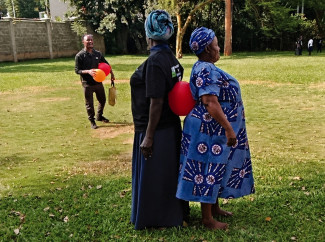
ICTJ talked to Kenyan youth leader Carine Umutoniwase to know how learning from a violent past inspires youth in countries recovering from conflict and repression to avoid past mistakes and to come up with solutions that contribute towards a more just and accountable society.

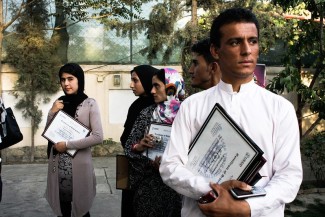
Afghanistan is a tragic example of how a country in transition can dramatically reverse course on the arduous path toward peace and democracy and return to an abyss of violence and repression at breakneck speed. In the span of a few short weeks, the Taliban regained control over the country. When they finally entered Kabul, the internationally backed Afghan government collapsed. Now in charge, the Taliban has lost no time in demonstrating their goal to re-impose the same extremist and oppressive rule, despite initial declarations affirming a commitment to peace and human rights.

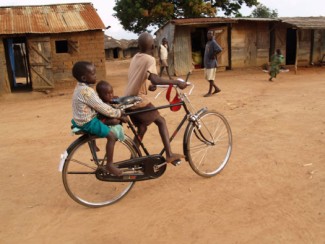
ICTJ's Virginie Ladisch explores the consequences of social stigmatization and other problems facing children born of war in Uganda, Nigeria and beyond in this new op-ed.

Lebanon’s ongoing “October Revolution” represents the largest decentralized, anti-government protest the country has seen at least since the end of the civil war in 1990. The demonstrations have brought thousands of Lebanese to the streets to condemn widespread corruption among the political class, paralyzing the country for weeks.

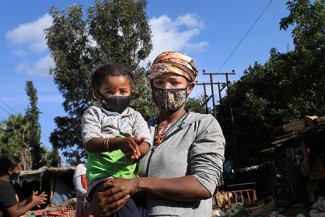
In what UN Women describes as the “shadow pandemic,” rates of violence against women have soared since the public health and economic crises brought about by COVID-19. With stay-at-home orders in place in countries around the world, women are more susceptible than ever to domestic violence. In countries affected by conflict or repressive rule, all forms of sexual and gender-based violence are on the rise. The ICTJ Gender Modules offer a timely tool to raise awareness about these issues and help develop gender-sensitive responses to them.

Tunis, August 12, 2020 —As the world today commemorates International Youth Day and Tunisia observes it National Women’s Day on August 13, ICTJ is launching the Voices of Memory virtual tour, in partnership with the Voices of Memory Collective, an intergenerational group of Tunisian women, and the University of Birmingham. The result of a collaboration between the Voices of Memory Collective and Tunisian artists, the virtual tour allows visitors to explore and interact with an online version of the widely successful Voices of Memory exhibition that traveled throughout Tunisia in 2018.