7 results

Throughout 2025, ICTJ’s experts offered thoughtful analysis on conflicts and major political developments in more than 10 countries as part of the World Report newsletter. Their insightful commentaries shed light on the obstacles that victims, civil society, and their partners must navigate as they pursue sustainable peace and justice. In this edition, we look back on the past year through the Expert’s Choice column.

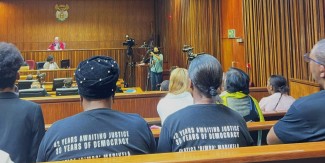
On April 14, 2025, the Johannesburg High Court handed down a landmark judgment. From his bench in courtroom 4D, Judge Dario Dosio dismissed the defense team’s objections to the inclusion of murder and apartheid as crimes against humanity charges in the indictment against two individuals accused of a deadly 1982 attack on anti-apartheid student activists. In so doing, the court cleared the way for crimes against humanity charges to be pursued in a South African domestic court for the first time. It also opened the door to the first ever prosecution of apartheid as a crime against humanity anywhere in the world.

Throughout 2023, ICTJ’s experts have offered their unique perspective on breaking news around the globe as part of the World Report. Their insightful commentaries have brought into focus the impact these events have on victims of human right violations as well as larger struggles for peace and justice. In this edition, we look back on the past year through the Expert’s Choice column.

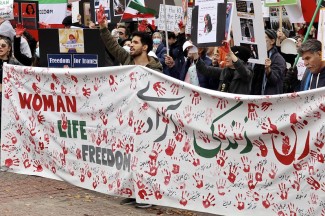
For 112 years, International Women’s Day has marked a time to celebrate the achievement of women and raise awareness about gender inequality. On March 8th, this year’s campaign of #EmbraceEquity will shine a spotlight on women’s contribution to various fields, while highlighting the challenges they face in other industries. Eliminating the barriers to women’s access to economic, political, and social resources is fundamental to creating and maintaining a stable democratic society. Often at the core of repressive regimes is a systematic effort to exercise control over the lives of women. Similarly, an erosion of the rights of women in “stable” democracies is often a harbinger of a broader attack on the rights of citizens.

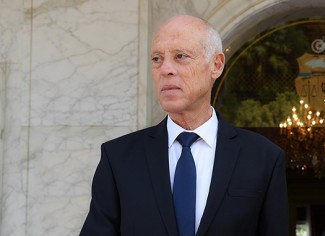
On February 6, 2022, President Kaies Saied announced that he would dissolve Tunisia’s Supreme Judicial Council. While his supporters welcomed the declaration with satisfaction, many more across broad segments of society greeted it with outrage and resentment. That the president made this unilateral announcement on the premises of the Ministry of Interior—responsible for public security—stung all the more, as if to send a message that he would not hesitate to use executive power to counter perceived disobedience, judicial or otherwise.

Hailed as one of the only success stories to emerge out of the Arab Spring, Tunisia is now facing a significant challenge to its democratic progress. On July 25, Tunisia’s president, Kais Saied, enacted Article 80 of the Tunisia Constitution giving him emergency powers to protect the country from imminent threats. He then used these powers to suspend parliament, lift parliamentary immunity, and fire the prime minister as well as the ministers of justice and defense.

Ten years have passed since Tunisians took the streets to demand “Employment, Freedom, and National Dignity.” The revolution’s loud, courageous voice against corruption, extreme inequality, and repression echoed around the globe and inspired the “Arab Spring.” Today, Tunisians are still proud of their revolution. However, they continue to strive for goals, yet unattained, that the political class does not even seem to understand. It was thus not surprising to see large protests on the 10th anniversary, demanding concrete action and new public policies to advance social justice and better integrate marginalized regions and populations.