




13 results

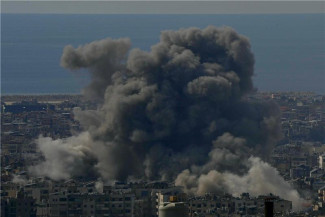
Recent Israeli strikes in Beirut and other populated areas in Lebanon, among the conflict's most intense so far, have destroyed critical infrastructure and devastated civilian communities. ICTJ stands unequivocally with the Lebanese people and all victims across the region and calls for an immediate end to all attacks on and threats to civilian communities and infrastructure.

ICTJ is watching with grave concern the unfolding war launched by the United States and Israel against Iran and its devastating ripple effects across the wider region. Over a month into the conflict, the human cost is staggering. We at ICTJ reaffirm the international principles that govern our shared world and stand unequivocally with all victims across the region.

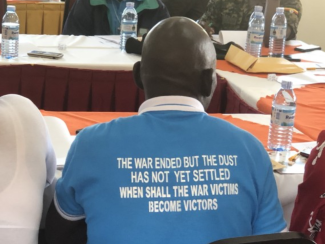
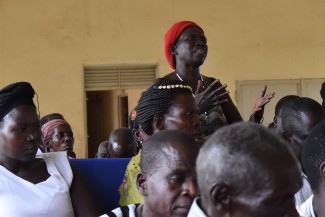
In February 2024, the International Criminal Court (ICC) delivered its long-awaited reparations order in the case of The Prosecutor vs. Dominic Ongwen. Nearly two decades after the ICC intervened in Northern Uganda, this milestone decision both acknowledges the suffering of survivors and underscores the complexities and limitations of international justice. For victims who have waited for justice for over two decades, the order has been bittersweet.

This past month, the United States officially observed Juneteenth for the fourth time since President Joe Biden declared it a federal holiday in 2021. Commemorations are a chance to acknowledge past milestones and reflect on their relevance to the present. In the spirit of Juneteenth, it is important to highlight and celebrate the wins and progress made toward fulfilling the promise of liberty for all.

Throughout 2023, ICTJ’s experts have offered their unique perspective on breaking news around the globe as part of the World Report. Their insightful commentaries have brought into focus the impact these events have on victims of human right violations as well as larger struggles for peace and justice. In this edition, we look back on the past year through the Expert’s Choice column.

Eight years ago, the United Nations General Assembly declared June 19 as the International Day for the Elimination of Sexual Violence in Conflict in an effort to raise awareness about this endemic tactic of war; honor the innumerable victims and survivors across the world, as well as those working to end these violations; and ultimately eradicate this dehumanizing practice. History has shown that whenever there is a political or security crisis juxtaposed with a militarized response, conflict-related sexual violence is deployed as a tactic to subdue, dehumanize, and terrorize civilians and opponents.

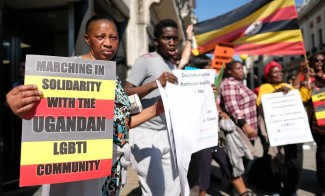
On March 21, the Ugandan Parliament passed the Anti-Homosexuality Bill, adopting the harshest anti-LGBTQ+ law in the world. Under it, homosexuality is punishable by life imprisonment, while "aggravated homosexuality" is punishable by death. The bill not only threatens the rights of LGBTQ+ persons, it undermines and erodes Uganda’s commitment to human rights.

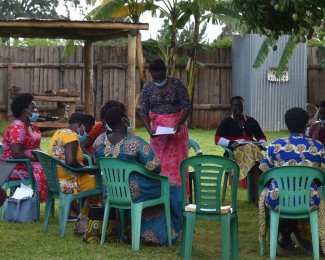
Reparations for victims of sexual and gender-based violations (SGBV) raise a series of complicated questions and implementation challenges around how to acknowledge this category of victims and deliver reparations without exposing victims to stigma and rejection. Victims must weigh the risk of...

On January 14, 2021, Uganda held presidential and parliamentary elections. Incumbent President Museveni, who has been in power for 34 years, faced off against 10 opposition candidates, including pop star-turned-politician and main contender Robert Kyagulanyi, also known by his stage name Bobi Wine, of the National Unity Platform (NUP). The 2021 elections saw unprecedented state-sponsored violence, harassment of opposition candidates, and repression of civil society.

It may seem trivial for me to write about why those who continue to mark July 17 as "International Justice Day" should finally stop calling it that. Many human rights groups (including ICTJ), United Nations agencies, and governments have been publicly using that phrase since 2010. It is for victims of massive and systematic human rights violations, including abuses that amount to international crimes under the Rome Statute, that it is important to end the misconception that the phrase encourages.