


6 results

Throughout 2025, ICTJ’s experts offered thoughtful analysis on conflicts and major political developments in more than 10 countries as part of the World Report newsletter. Their insightful commentaries shed light on the obstacles that victims, civil society, and their partners must navigate as they pursue sustainable peace and justice. In this edition, we look back on the past year through the Expert’s Choice column.

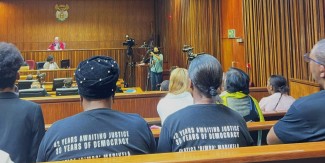
On April 14, 2025, the Johannesburg High Court handed down a landmark judgment. From his bench in courtroom 4D, Judge Dario Dosio dismissed the defense team’s objections to the inclusion of murder and apartheid as crimes against humanity charges in the indictment against two individuals accused of a deadly 1982 attack on anti-apartheid student activists. In so doing, the court cleared the way for crimes against humanity charges to be pursued in a South African domestic court for the first time. It also opened the door to the first ever prosecution of apartheid as a crime against humanity anywhere in the world.

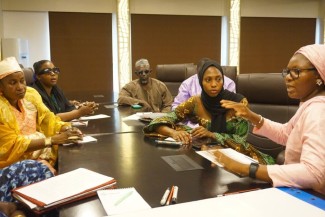
On February 29, 2024, The Gambia-Economic Community of West African States Joint Technical Committee held its inaugural meeting on the establishment of a hybrid court to hold to account those responsible for gross human rights violations committed in the country between July 1994 and January 2017 during the dictatorship of former President Yahya Jammeh. Such an internationalized court presents an opportunity to deliver criminal accountability to the victims and Gambian society as whole. It is also just the latest step in The Gambia’s transitional justice journey.

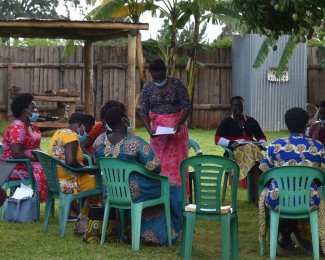
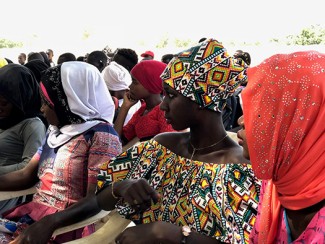
Reparations for victims of sexual and gender-based violations (SGBV) raise a series of complicated questions and implementation challenges around how to acknowledge this category of victims and deliver reparations without exposing victims to stigma and rejection. Victims must weigh the risk of...

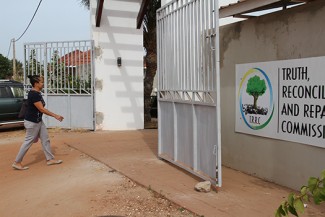
On November 25, 2021, The Gambia’s Truth, Reconciliation and Reparations Commission (TRRC) presented its 17-volume final report and recommendations to President Adama Barrow, after multiple delays. The final report includes a record of serious human rights violations committed under Jammeh’s repressive regime and recommendations for pursuing justice. Despite the challenges, steps have already been taken that offer hope that the TRRC’s recommendations will take effect.

The Gambian Truth, Reconciliation, and Reparations Commission (TRRC) started its operations in January 2019 with the public hearings of witnesses, victims, and perpetrators. It has already succeeded in having high-profile perpetrators testify publicly on their role in violations concerning several victims. But the question is, who should be at the center of truth telling?