15 results

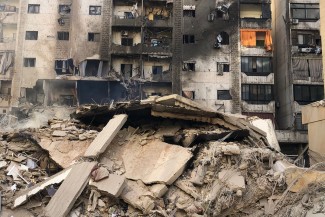
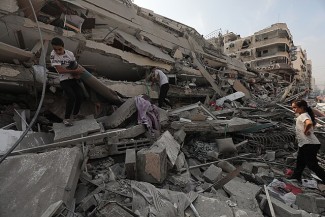
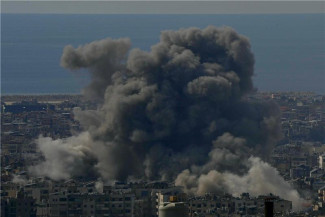
Recent Israeli strikes in Beirut and other populated areas in Lebanon, among the conflict's most intense so far, have destroyed critical infrastructure and devastated civilian communities. ICTJ stands unequivocally with the Lebanese people and all victims across the region and calls for an immediate end to all attacks on and threats to civilian communities and infrastructure.

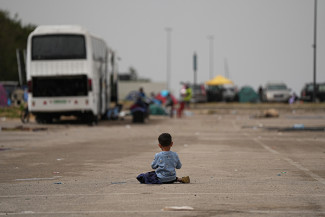
ICTJ is watching with grave concern the unfolding war launched by the United States and Israel against Iran and its devastating ripple effects across the wider region. Over a month into the conflict, the human cost is staggering. We at ICTJ reaffirm the international principles that govern our shared world and stand unequivocally with all victims across the region.

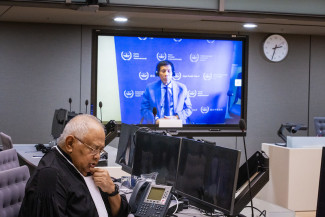
On February 27, 2026, the International Criminal Court concluded its confirmation of charges hearing in the case against former Philippines President Rodrigo Duterte, who stands accused of committing crimes against humanity. ICTJ Senior Expert Ruben Carranza, who is Filipino-American, reflects on this case in connection with his recent lecture on transitional justice and Duterte's war on drugs at Georgetown University.

The ongoing war in the Middle East is not an isolated event; it represents a 75-year cycle of violence marked by historical grievances, geopolitical struggles, and humanitarian crises. In the latest episode of this tragic story, Lebanon has become the newest battlefield. So far, the conflict has caused widespread destruction, killed or injured thousands, and displaced over a million in Lebanon. The country now faces many daunting questions about reconstruction, reparations for victims, and the type of society that will emerge in the war’s aftermath.

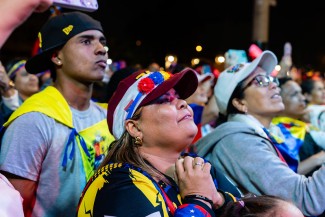
In the wake of the recent contentious presidential elections, Venezuelans from all walks of life took to the streets to express their collective distrust of the official results, outrage over their country's dire economic and political crisis, and demand for transformative change. For a brief moment, their sheer numbers and the of unity of their voices gave hope that a window of opportunity had opened for real change. In countries grappling with massive human rights violations, from time to time, a window of opportunity does in fact open for society to come together and a forge path toward peace and justice. Unfortunately, such windows do not remain open indefinitely.

Throughout 2023, ICTJ’s experts have offered their unique perspective on breaking news around the globe as part of the World Report. Their insightful commentaries have brought into focus the impact these events have on victims of human right violations as well as larger struggles for peace and justice. In this edition, we look back on the past year through the Expert’s Choice column.

On October 15, the UN Secretary-General made two strong humanitarian appeals: for Hamas to release the hostages immediately and without conditions, and for Israel to allow humanitarian aid to enter into Gaza unimpeded so it can reach the civilians desperately in need of it. The UN Security Council has heard but not listened to his words, while governments with power to persuade the actors engaged in the hostilities to respect the rule of law have failed to do so. Yet, the moral imperative is clear and simple.

Throughout 2022, ICTJ’s experts weighed in on breaking news in more than 10 countries, offering incisive analyses of the political dynamics behind the coverage and the implications for justice, peace, and the rights of victims. In this December edition of the World Report, we look back at the year that was through our Expert’s Choice commentaries, bringing you all of our team’s valuable insights together in one place.

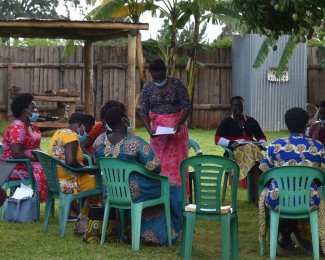
Reparations for victims of sexual and gender-based violations (SGBV) raise a series of complicated questions and implementation challenges around how to acknowledge this category of victims and deliver reparations without exposing victims to stigma and rejection. Victims must weigh the risk of...

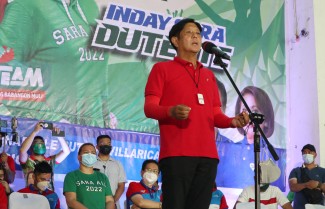
Thirty-six years after Ferdinand and Imelda Marcos were overthrown in a “People Power” revolution, the Marcos family is back in power, with Ferdinand Marcos Jr. elected as president (and Rodrigo Duterte’s daughter as his vice-president). While immediate as well as decades-late transitional justice...