4 results

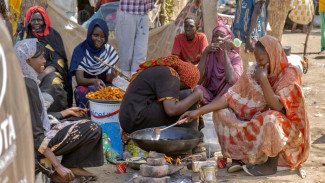
South Sudanese refugees and displaced persons currently comprise 40 percent of the country’s total population. Yet, these groups have been largely excluded from ongoing policy discussions related to South Sudan's transitional justice process in South Sudan. A new ICTJ report aims to amplify the perspectives and expectations of these groups and ensure they are included in the process's design and implementation.

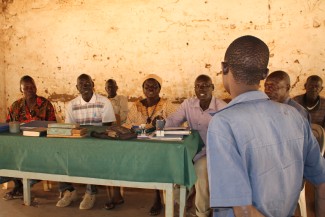
In countries where state institutions have limited reach, customary and informal justice is often the most common way in which people resolve disputes and seek justice. Given its prominence, it is considered to be an important element of a people-centered approach to building peaceful, just, and inclusive societies. An understanding of the relationship between customary justice and transitional justice, however, remains underdeveloped. A new ICTJ report provides valuable empirical, qualitative research on the topic, in the context of South Sudan.

The United States has never collectively confronted its history of colonialism, slavery, and racism in an effort to reform the systems that perpetuate harms to Black communities and other marginalized groups, or to redress these wrongs. Events in recent years, however, have amplified calls for meaningful action to reckon with the past. Given that truth seeking is integral to the investigation of past wrongs, ICTJ and a coalition of practitioners from multiple law firms has released a new report that examines the experiences of official truth commissions from around the world to identify relevant considerations for US stakeholders.

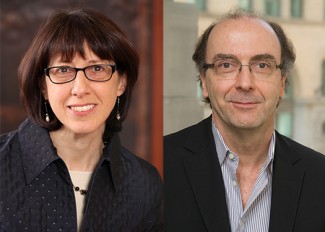
NEW YORK, August 19, 2019—The International Center for Transitional Justice announces the addition of two distinguished members to its Board of Directors. Ellen Taus and Brad Smith bring to ICTJ decades of experience in leadership roles at major global institutions.