5 results

South Sudanese refugees and displaced persons currently comprise 40 percent of the country’s total population. Yet, these groups have been largely excluded from ongoing policy discussions related to South Sudan's transitional justice process in South Sudan. A new ICTJ report aims to amplify the perspectives and expectations of these groups and ensure they are included in the process's design and implementation.

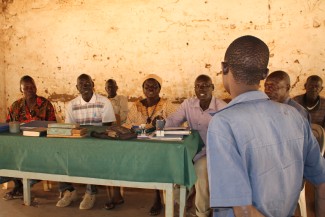
In countries where state institutions have limited reach, customary and informal justice is often the most common way in which people resolve disputes and seek justice. Given its prominence, it is considered to be an important element of a people-centered approach to building peaceful, just, and inclusive societies. An understanding of the relationship between customary justice and transitional justice, however, remains underdeveloped. A new ICTJ report provides valuable empirical, qualitative research on the topic, in the context of South Sudan.

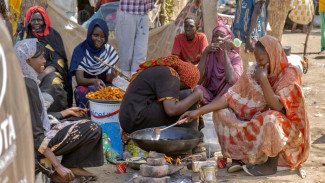
As Burundi and South Sudan teeter on the verge of renewed conflict, with warnings of possible genocides, a new report from ICTJ on the African Great Lakes region asserts that there are lessons to be learned from neighboring countries that may be relevant in preventing new conflicts. The report calls for a clear understanding of victims’ needs and demands, a thorough political analysis and identifying realistic opportunities for acknowledgment and accountability, among other measures.

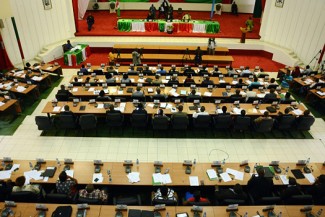
Amid deteriorating human rights conditions in the country, the lower house of Burundi’s National Assembly voted overwhelmingly in favor of withdrawing from the Rome Statute, the treaty that created the International Criminal Court. “Burundi should reconsider this ill-conceived decision, which undermines efforts at the national level to bring justice, peace, and stability to the country,” said ICTJ President David Tolbert.

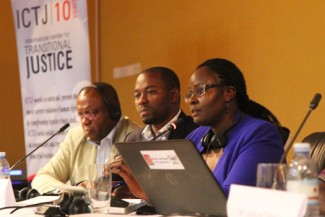
Today, ICTJ opened a two-day conference in Kampala, Uganda, gathering activists and officials from the African Great Lakes Region to discuss efforts at redress and accountability for serious human rights violations committed in their countries.