4 results

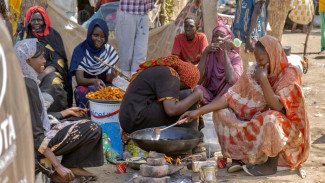
South Sudanese refugees and displaced persons currently comprise 40 percent of the country’s total population. Yet, these groups have been largely excluded from ongoing policy discussions related to South Sudan's transitional justice process in South Sudan. A new ICTJ report aims to amplify the perspectives and expectations of these groups and ensure they are included in the process's design and implementation.

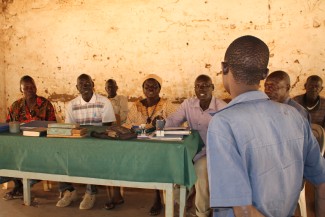
In countries where state institutions have limited reach, customary and informal justice is often the most common way in which people resolve disputes and seek justice. Given its prominence, it is considered to be an important element of a people-centered approach to building peaceful, just, and inclusive societies. An understanding of the relationship between customary justice and transitional justice, however, remains underdeveloped. A new ICTJ report provides valuable empirical, qualitative research on the topic, in the context of South Sudan.

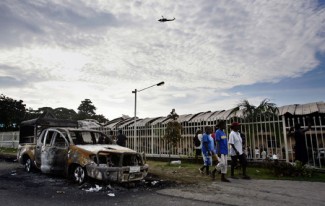
ICTJ calls on the Prime Minister of the Solomon Islands to make the report of the Solomon Islands Truth and Reconciliation Commission public without delay. Almost one year since the TRC handed its final report to the prime minister, it has still not been publicly released, contrary to the law that established the commission.

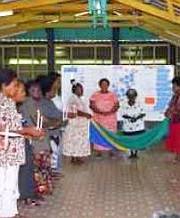
HONIARA, Oct. 30, 2011—Today women from Solomon Islands will come together to present their submission to the Solomon Islands Truth and Reconciliation Commission (TRC). More than 60 women from different regions of the country have collaborated in recording their experiences and sharing their vision for the future in this document.