
6 results

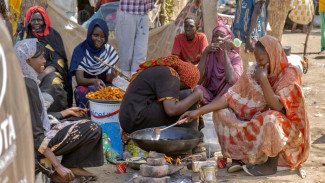
This study aims to communicate the perspectives, expectations, and needs of South Sudanese displaced persons to relevant policymakers and thereby inform the ongoing transitional justice efforts emanating from South Sudan’s 2018 revitalized peace agreement. It also provides lessons lea...

several women in colorful dresses crouch around an open fire pit, cooking food in a large pan.

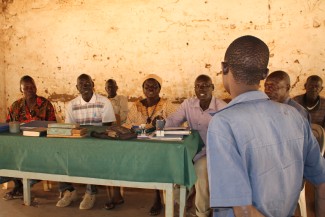
Customary justice is the primary way in which most communities in South Sudan resolve disputes. Its ability, however, to deal with massive human rights violations is limited due to the complexity of intercommunal violence and a lack of clarity on its proper role. This report contends ...

A man stands facing a table around which several men are seated.

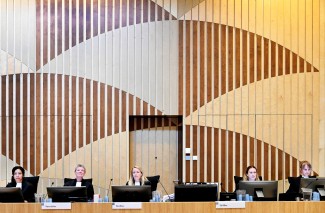
This study explores specialized units established in 23 countries to investigate and prosecute serious international crimes. Notwithstanding the challenges faced by these units, the study concludes that countries with a specialized institutional approach are considerably more successf...

several judges dressed in black gowns sit on a judicial bench.

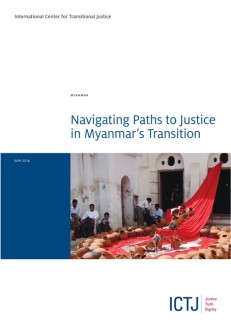
This report asserts that dealing with past abuses in Myanmar is essential to achieving genuine progress on peacebuilding and economic development in the country. Conflict and high levels of political repression have racked Myanmar for more than half a century. Both President Thein Sei...

The military rulers of Burma (also known as Myanmar) convened a National Convention to draft a new constitution. After many delays, the convention completed the draft on September 3, 2007. An analysis of the constitution’s provisions suggests that instead of being a true catalyst for ...

The Documentation Affinity Group (DAG) was established in 2005 by ICTJ and five partner organizations as a peer-to-peer network with a primary focus on human rights documentation. Documenting Truth collects the best practices derived from the work of the DAG organizations in Cambodia,...

