414 results

With the goal of creating an opportunity for debate between civil society and the Colombian government on JPL reform, ICTJ and the Mission to Support the Peace Process from the Organization of American States have organized an event titled “Challenges and Opportunities of the Justice and Peace Law Reform,” to take place May 14 in Bogotá.

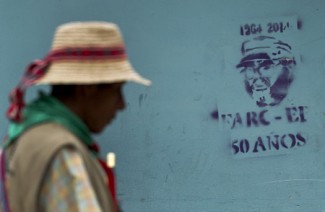
In this op-ed, ICTJ Vice President Paul Seils questions the policy objectives of punishing members of FARC accused of the most serious crimes in the ongoing Colombian peace negotiations.

In this op-ed marking Universal Children’s Day, ICTJ's Virginie Ladisch explains why within transitional justice, the capacity to make positive choices and demonstrate moral agency are attributes that need to be encouraged and fostered in children, especially former child soldiers.

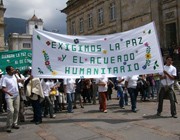
After several months of intense political debate, Colombia’s Senate passed constitutional reform measures containing extensive transitional justice provisions. The Legal Framework for Peace was adopted to confront decades of massive human rights violations and help to bring a sustainable peace to Colombia’s ongoing internal armed conflict.

What does the obligation to provide reparations mean when serious human rights violations are at issue? This report explores the evolving interpretation of the right to reparation in international law and jurisprudence and how domestic courts have provided judicial reparations at the ...

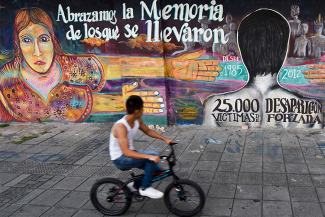
A man on a bicycle rides past a building whose exterior wall is covered in a colorful mural with writing in Spanish.

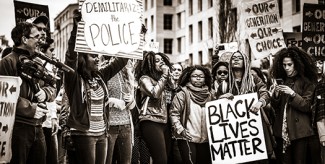
“No peace without justice” is a chant that filled the streets of the United States last year following the murder George Floyd by police in May 2020. This same chant has animated protest movements and social and political upheaval in many countries around the world. We at ICTJ know from our experience that these calls for justice are for something far more encompassing than criminal accountability alone.

The reparations policy for victims of Peru’s internal armed conflict, which lasted from 1980 to 2000, includes the internally displaced population among its beneficiaries under the Official Register of Victims. However, displaced persons are given lower priority than the other categor...

This report evaluates the government of Peru’s partial results in providing compensation to victims of the internal armed conflict that devastated the country from 1980 to 2000. It provides a detailed analysis of the process of implementing the Comprehensive Reparations Plan, establis...

Case studies on the use of pardons in Argentina, Chile, El Salvador, Peru, and South Africa.

This research brief provides case studies on the use of pardons in Argentina, Chile, El Salvador, Peru and South Africa following periods of mass abuse, and highlights subsequent political and civil society action to overcome impunity exacerbated by pardons and amnesties.