



19 results

Throughout 2025, ICTJ’s experts offered thoughtful analysis on conflicts and major political developments in more than 10 countries as part of the World Report newsletter. Their insightful commentaries shed light on the obstacles that victims, civil society, and their partners must navigate as they pursue sustainable peace and justice. In this edition, we look back on the past year through the Expert’s Choice column.

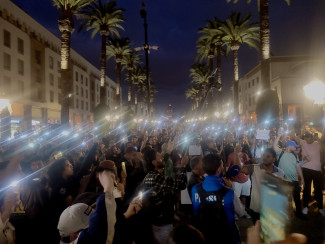
The death of eight women in childbirth at a hospital in Agadir this past August sent shockwaves through Morocco. The news crystallized national anger over deteriorating public services as well as persistent high unemployment and corruption. Years of frustration erupted into the streets as thousands of mostly young Moroccans gathered in cities and towns across the nation to protest and to demand accountability and institutional reform.

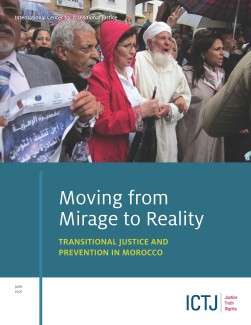
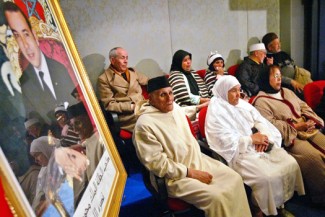
This study examines how transitional justice measures in Morocco have helped prevent state violence repression and social and economic exclusion. These measures included the Equity and Reconciliation Commission, which diagnosed some historical wrongdoings and called for reform to prev...

This report summarizes the findings of an ICTJ research project on the contribution of transitional justice to prevention. Drawing from five country case studies, it contends that addressing the past can help to prevent the recurrence not only of human rights violations but also viole...

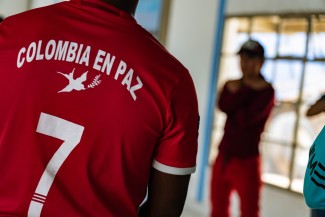
A young person with back facing the viewer is wearing a T-shirt that reads “Colombia in Peace"

The month of January has a particular significance in the Middle East and North Africa. It was the month when the Arab uprisings were sparked five years ago. It was also the month when the transitional justice process was inaugurated in Morocco, 12 years ago. What can be learned from Morocco’s experience?

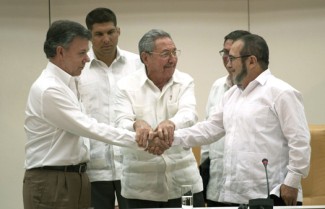
In this op-ed, ICTJ Vice President Paul Seils analyzes the criminal justice agreement announced by the Government of Colombia and the FARC and discusses what aspects of the deal need clarification to ensure that it is capable of delivering the kind of truth and justice that victims of Colombia's armed conflict deserve.

Many in Colombia are also interested in learning from international experiences where criminal accountability measures were applied to pursue justice after massive human rights violations, like in Bosnia and Herzegovina, Cambodia, Sierra Leone and East Timor. With the aim of promoting an exchange of ideas on what lessons could be useful for Colombia, the ICTJ will be holding a conference in Bogotá on November 24th.

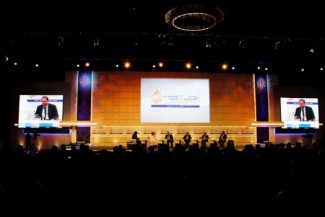
ICTJ President David Tolbert will be a featured speaker at this year’s Al Jazeera Forum in Doha, Qatar. Al Jazeera Forum is the flagship event of Al Jazeera Media Network, at which Al Jazeera showcases its contribution to the world of media and politics.

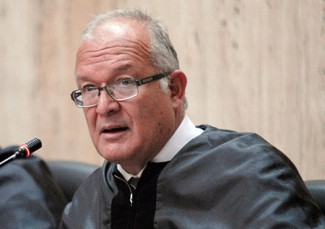
ICTJ is deeply saddened by the death of Guatemalan Supreme Court Justice Doctor Cesar Barrientos Pellecer, this past March 2. Guatemala has lost one of its greatest crusaders against impunity in the country.

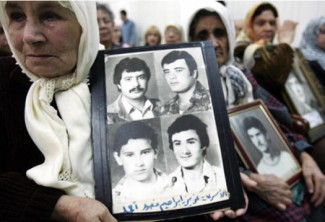
Enforced disappearances are among the cruelest of crimes. To the kidnapping, torture, and in many cases, murder of the victim, perpetrators intentionally create fear and uncertainty about the fate of the missing person. Although men are predominantly targeted, the impact on women is severe and lasting.