206 results

ICTJ is more than two decades old. At the time it was established, many of those who contributed to transitions in Argentina, Chile, Guatemala, South Africa, and the former Yugoslavia saw the value of a specialized organization that could draw from diverse national experiences to prov...

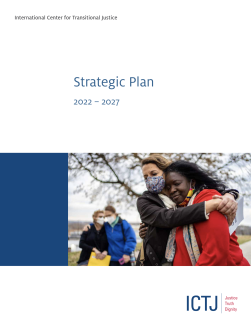
The cover of a report with the text, "2022-2027, Strategic Plan," with an image of people embracing underneath.

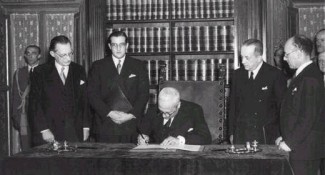
Constitutional reforms can be valuable in a transitional justice process, but their effectiveness depends on the degree to which they are woven into the social and cultural understanding of the country's legal framework.

This study identifies the range of agencies in and outside the former Yugoslavia that collect documentation on war crimes and other human rights violations committed in the 1991-1999 wars. Several factors that point to the need for an overview of data-collecting agencies in the region...

In this op-ed, ICTJ Vice President Paul Seils calls on the international community to prioritize the return of Syrian refugees to their homes instead of posturing about Assad's ouster.

Bosnians have a range of expectations of the ICTY—or as it is known in the region, “the Hague Tribunal” or simply “The Hague”—comparing their hopes to the goals enunciated by the Security Council when it created the Tribunal and by the ICTY itself.

This memorandum is a legal analysis of the applicability of the UN Convention on the Prevention and Punishment of the Crime of Genocide to events which occurred in Turkey-Armenia during the early twentieth century. It was drafted by independent legal counsel based on a request made to...

Why pursue transitional justice in the aftermath of massive human rights violations? “The Case for Justice” provides a window into the debate about the relevance of transitional justice in today’s world.

This study examines the development of restitution and reparations in international law and practice over the last century. It aims to provide recommendations on how restitution can best contribute to transitional justice by reviewing four case-studies: the Czech Republic, South Afric...

The legacy of systematic human rights violations committed during violent conflict and repressive rule can reach well into the new order. Transitional justice can help societies address the past through prosecutions, truthseeking, reparations for victims and institutional reform. Just...

Throughout 2022, ICTJ’s experts weighed in on breaking news in more than 10 countries, offering incisive analyses of the political dynamics behind the coverage and the implications for justice, peace, and the rights of victims. In this December edition of the World Report, we look back at the year that was through our Expert’s Choice commentaries, bringing you all of our team’s valuable insights together in one place.