



379 results

Throughout 2022, ICTJ’s experts weighed in on breaking news in more than 10 countries, offering incisive analyses of the political dynamics behind the coverage and the implications for justice, peace, and the rights of victims. In this December edition of the World Report, we look back at the year that was through our Expert’s Choice commentaries, bringing you all of our team’s valuable insights together in one place.

Throughout 2025, ICTJ’s experts offered thoughtful analysis on conflicts and major political developments in more than 10 countries as part of the World Report newsletter. Their insightful commentaries shed light on the obstacles that victims, civil society, and their partners must navigate as they pursue sustainable peace and justice. In this edition, we look back on the past year through the Expert’s Choice column.

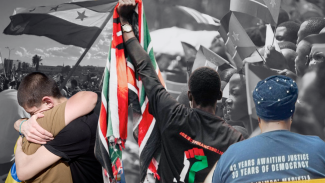
Ongoing economic and social inequality, a legacy of the dictatorship, affects Tunisians across generations, but has particularly pronounced impacts on young people. ICTJ worked with four young photographers to confront the consequences of marginalization and explore its impacts on Tunis...

This study provides expert financial and operational analysis and information to help facilitate the establishment of an Independent National Commission for the Missing and Forcibly Disappeared in Lebanon, as envisaged in a draft consolidated bill now before the Lebanese Parliament. ...

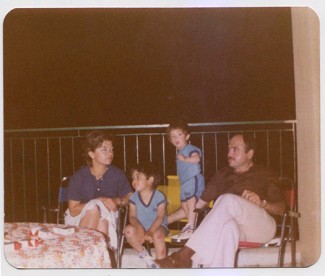
The trend of missing and disappeared persons due to conflict remains more prevalent than ever today. Many governments around the world have remained undeterred in their abuse of power to invade a home or community and remove persons deemed to be a threat. This intractable problem has received global attention largely due to the efforts of family members who often risk their lives in pursuit of the right to know and ‍‍to bury their loved ones.

The term reconciliation has long been associated with the field of transitional justice and is often presumed to be one of its goals. At the same time, reconciliation has been both controversial and vague as a concept, giving rise to different understandings and approaches. This paper...

This report provides an update on the developments in the Anfal trial before the Iraqi High Tribunal, including the trial of Saddam Hussein, his cousin Ali Hassan al-Majid, and five other co-defendants. This update focuses on the prosecution witness and documentary evidence phases of ...

While not seen as sufficient in and of themselves as a means of reparation, the concept of “collective reparations” has been one of the ways in which reparation advocates have respond to practical challenges and to the overall complexity of responding to massive violations of human...

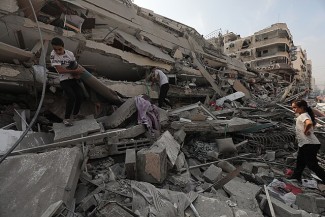
On October 15, the UN Secretary-General made two strong humanitarian appeals: for Hamas to release the hostages immediately and without conditions, and for Israel to allow humanitarian aid to enter into Gaza unimpeded so it can reach the civilians desperately in need of it. The UN Security Council has heard but not listened to his words, while governments with power to persuade the actors engaged in the hostilities to respect the rule of law have failed to do so. Yet, the moral imperative is clear and simple.

This briefing paper focuses on the role of victims of human rights violations in criminal proceedings. This paper will provide examples of recent developments in the advancement of victim participation in criminal proceedings in international criminal law and domestic jurisdictions.&n...