


380 results

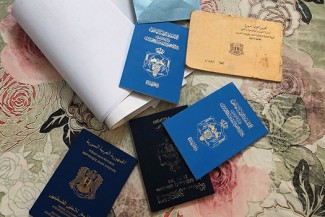
The new ICTJ report, An Uncertain Homecoming: Views of Syrian Refugees in Jordan on Return, Justice, and Coexistence, presents findings from a study based on interviews with 121 Syrian refugees living in Jordan. It documents the views, expectations, and priorities of these men, women, and children on the prospects of returning home and on future coexistence and justice in Syria.

This briefing paper presents findings from a study based on interviews with 121 Syrian refugees living in Jordan. It aims to provide a better understanding of the impact the conflict in Syria has had on refugees, including the harms and losses they have suffered; their expectatio...

This report presents findings from a study based on interviews with 121 Syrian refugees living in Jordan. It aims to provide a better understanding of the impact the conflict in Syria has had on refugees, including the harms and losses they have suffered; their expectations, concerns,...

ICTJ sits down with Syria Expert Nousha Kabawat to pause and reflect on the progress made so far in building capacity, raising awareness, and initiating high-level dialogue to address what remains a perilous situation.

Tunis—Youth activists from across Tunisia, representatives of state institutions, and experts from international nongovernmental organizations gathered on July 10, 2019, to discuss challenges to pursuing accountability for corruption crimes committed during the Ben Ali dictatorship and practical steps that civil society and government can take to overcome these challenges.

Unofficial Translation of Iraq’s Accountability and Justice Law.

The struggle against impunity remains as important –and precarious –as ever as we celebrate International Justice Day on July 17. ICTJ marks the occasion with a look at complementarity, a concept critical to understanding the role that the ICC and national courts play in this struggle.

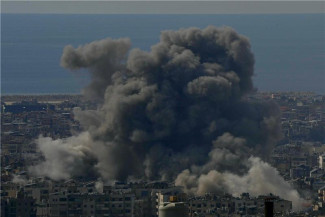
Recent Israeli strikes in Beirut and other populated areas in Lebanon, among the conflict's most intense so far, have destroyed critical infrastructure and devastated civilian communities. ICTJ stands unequivocally with the Lebanese people and all victims across the region and calls for an immediate end to all attacks on and threats to civilian communities and infrastructure.

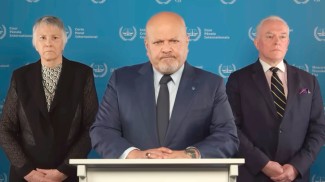
ICTJ acknowledges and welcomes the decisive action undertaken by the Office of the Prosecutor of the International Criminal Court, requesting the arrest of Israeli Prime Minister Benjamin Netanyahu, Defense Minister Yoav Gallant, and three Hamas leaders – Yahya Sinwar, Mohammed Diab Ibrahim Al-Masri, and Ismail Haniyeh – for war crimes and crimes against humanity.

In Lebanon, in the absence of an overarching curriculum, young people are growing up with scant knowledge of the country’s civil war. Over the past year, ICTJ has sought to fill this knowledge gap by holding oral history workshops with university students and connecting them with the Co...