


619 results

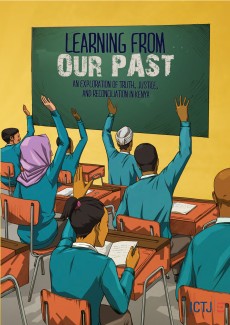
Young people in Kenya now have a new tool to help them learn about difficult periods in Kenyan history and discuss justice, democracy, leadership, and their role as Kenyan citizens.

This educational tool for educators and mentors is designed to help teach young people in Kenya about difficult periods in Kenyan history and foster discussion on issues of justice, democracy, leadership, and their role as Kenyan citizens.

Children are particularly affected by conflict and mass atrocities and have a unique perspective on how those events impact their communities. This makes their participation in transitional justice processes essential for countries to genuinely make a break with the past and successfully address legacies of mass violence.

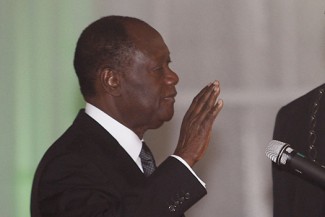
In this op-ed, ICTJ President David Tolbert argues that President Alassane Ouattara should use his second term as president to address widespread atrocities committed in Cote d'Ivoire's recent past.

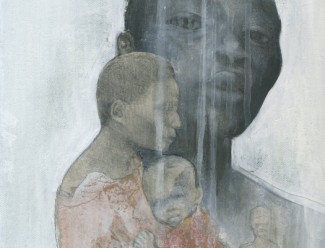
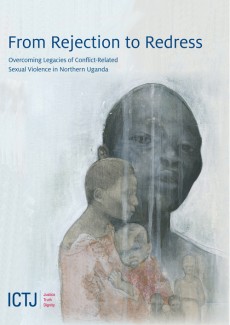
Children born as a result of wartime sexual violence in northern Uganda and their mothers face continued and compounded violations of their rights and dignity, says ICTJ. Without urgent redress, they will continue on a path of marginalization, poverty, and further abuse.

Women and girls in Northern Uganda were victims of various forms of sexual violence, crimes whose consequences endure today. Many of the survivors bore children as a result of their violations, and the children born of wartime rape have been largely overlooked by the state. Meanwhile,...

This paper examines the unique, enduring consequences of conflict-related sexual violence in northern Uganda, focusing specifically on the impact of the lack of accountability for sexual crimes leading to motherhood on girls and women, and on the children they bore as a result of viol...

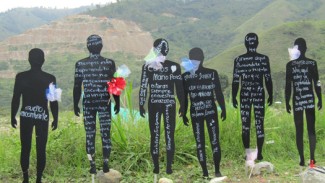
ICTJ welcomes the recent agreement announced by the Government of Colombia and the Revolutionary Armed Forces of Colombia (FARC) to commit to immediately implement measures to search for, locate, and identify those who have disappeared during the 50-year armed conflict and – if a final peace agreement is reached – to create a special unit dedicated to these tasks.

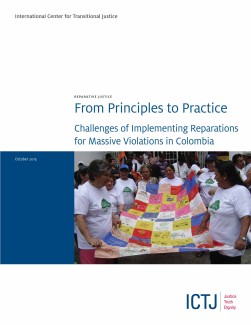
A complex law and ongoing violence are complicating efforts by the Colombian government to provide reparations to millions of victims of the country’s internal armed conflict, according to a new report by ICTJ.

This report examines Colombia’s Victims and Land Restitution Law (2011), which provides comprehensive reparations to conflict victims and restitution to victims of forced displacement who rely on land for their livelihoods – and assesses the challenges of implementing the law under cu...