



732 results

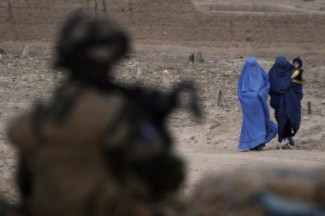
In 2006, the Afghanistan Independent Human Rights Commission (AIHRC) launched an unprecedented effort to document the violations of international humanitarian law in Afghanistan between 1978 and 2001. Though it has not yet been made public, the 1000-page AIHRC Conflict Mapping Report ...

As new evidence of past violations comes to light, Afghanistan must prioritize transitional justice measures to break the cycle of abuse. ICTJ's new briefing paper provides analysis of past reports identifying the patterns of abuses and puts forth recommendations to the government of Afghanistan.

In collaboration with the Brookings-LSE Project on Internal Displacement, ICTJ’s Research Unit examined how transitional justice can be used to address the range of injustices associated with displacement and thereby serve as part of a comprehensive approach to the resolution of displ...

Following post-election violence in 2007–2008, Kenya faced a need to hold accountable those most responsible for the fighting that resulted in more than 1,000 deaths and widespread property destruction and displacement. But national judicial mechanisms proved reticent to do so, and in 2010, the situation was adopted by the ICC, who in January of 2012 announced indictments against four suspects.

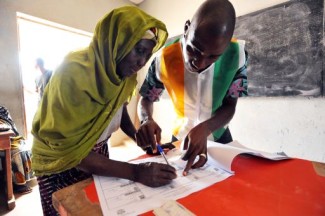
Though not a state party to the Rome Statute, Cote d’Ivoire accepted the jurisdiction of the ICC through an ad hoc declaration in April 2003, and in December of 2010—in the wake of the post-election crisis—reaffirmed that declaration. It has been more than one year since Cote d’Ivoire began a critical transition from a decade-long civil war that divided the country and led to widespread human rights violations, forced displacement, and loss of civilian lives and property.

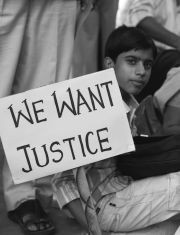
As we mark July 17, designated International Justice Day by the states parties of the International Criminal Court (ICC) just over two years ago, we should not limit our focus to the work of the court or criminal justice as such. Pursuing justice in the aftermath of atrocity presents an opportunity to do three crucial things: reaffirm a society’s shared values about basic ideas of right and wrong; restore confidence in the institutions of the state charged with protecting fundamental rights and freedoms; and recognize the human dignity of the victims of atrocities that have taken place.

Why pursue transitional justice in the aftermath of massive human rights violations? “The Case for Justice” provides a window into the debate about the relevance of transitional justice in today’s world.

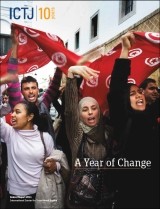
ICTJ recently released its 2011 annual report, covering the period from September 2010 through August 2011. Our tenth anniversary year, it has also been a period of transition for ICTJ and for transitional justice, as we responded to new opportunities in North Africa and the Middle East, and refocused on our future by embarking on a new strategic planning process.

As Yemen prepares to embark on a national dialogue about its future, addressing the legacy of the past human rights violations remains one of its key challenges. A Law on Transitional Justice and National Reconciliation has been under discussion since February 2012 and may now be adopted in the coming weeks.

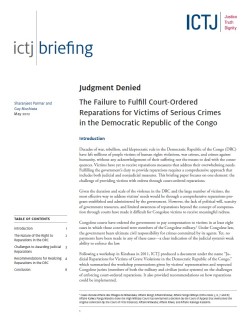
Following field research in late 2009 and a 2010 workshop in Kinshasa, ICTJ produced a report in French on the challenges of enforcing court-ordered reparations. This briefing paper outlines and summarizes the challenges and recommendations discussed in the report. It also proposes ad...