





494 results

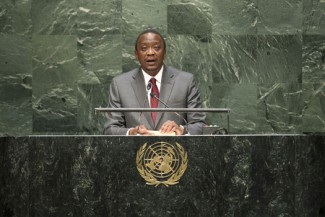
In this op/ed, the head of ICTJ's Kenya Program, Christopher Gitari, argues that President Kenyatta's recent apology to victims—though commendable—must be supported by solid reforms and initiatives for rebuilding the lives of those who have suffered the most.

ICTJ, in alliance with organizations Corporación Caribe Afirmativo, Colombia Diversa and Santa María Fundación organized meetings with activists and victims of the conflict to learn more about the needs of the LGBTI community, and to consider how transitional justice measures—especially non-judicial approaches—can contribute towards protecting their rights.

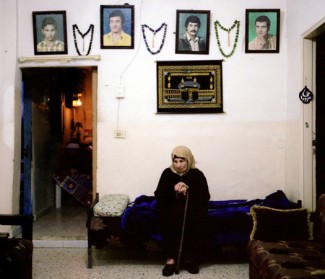
70-94% of the victims of enforced disappearances are men. But what happens to the women left behind? ICTJ's Amrita Kapur explains why women are uniquely impacted by the crime, and how transitional justice can help.

As peace talks advance between the Government of Colombia and the FARC guerilla group, an essential element of negotiations is how best to examine the truth about violence and abuses committed during the armed conflict. On February 25, 2015, the International Center for Transitional Justice and the Kofi Annan Foundation will host a conference in Bogotá, titled “Truth Commissions and Peace Processes: International Experiences and Challenges for Colombia.”

ICTJ hosts human rights scholar Michael Ignatieff and UN High Commissioner for Human Rights Zeid Ra'ad Al Hussein for an online debate whether the international community is abandoning the fight against impunity.

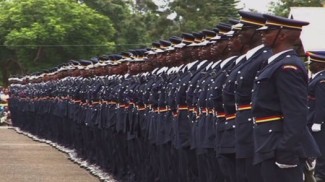
A new documentary produced by ICTJ highlights the need to reform Kenya's police force, and stresses the vital role civil society plays in conducting a thorough vetting process and the establishment of public trust in security forces.

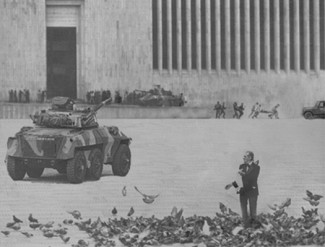
It has been nearly 30 years since one of the darkest episodes in Colombia’s recent history: the siege of the Justice Palace. Late last year, the families of those disappeared managed to take a step forward in their long struggle to obtain some measure of justice when the Inter-American Court of Human Rights issued a ruling condemning the Colombian state for responsibility in the disappearance of 12 individuals.

With the publication of the much-delayed US Senate Intelligence Committee’s partial report on the CIA’s Detention and Interrogation Program, at long last the truth is out. In this op-ed, ICTJ's President David Tolbert asks the United States to acknowledge the truth, hold the perpetrators accountable and address its obligation to the victims of its detention policies.

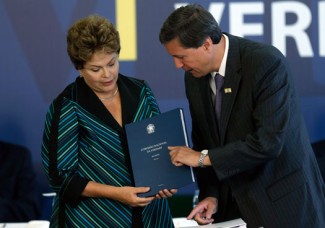
ICTJ welcomes the release of the final report of Brazil’s National Truth Commission after two and a half years of work to unveil the truth about serious human rights violations that took place in the country between 1946 and 1988, especially during the military dictatorship of 1964 to 1985. The final report is a historic contribution to truth and justice in a country where serious crimes have remained unaddressed for decades and calls on the Brazilian judiciary to disregard the Amnesty Law and act in cases of crimes against humanity.

ICTJ joins the global observations of the International Day for the Elimination of Violence Against Women, and the start of the “16 Days of Activism against Gender-Based Violence Campaign.” On this day, we recognize the ongoing efforts to protect women from violence in different parts of the world.