537 results

Drawing from data and testimonies of Syrians both inside the country and in the diaspora collected by civil society organizations, this report looks at the justice needs of Syrian victims of human rights violations in the context of ongoing debates on refugee returns. It critically ex...

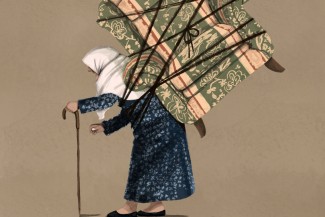
Illustration depicting an elderly woman carrying an armchair on her back

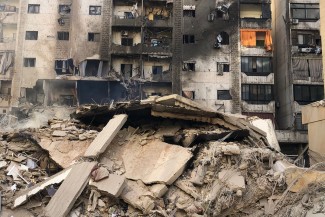
The ongoing war in the Middle East is not an isolated event; it represents a 75-year cycle of violence marked by historical grievances, geopolitical struggles, and humanitarian crises. In the latest episode of this tragic story, Lebanon has become the newest battlefield. So far, the conflict has caused widespread destruction, killed or injured thousands, and displaced over a million in Lebanon. The country now faces many daunting questions about reconstruction, reparations for victims, and the type of society that will emerge in the war’s aftermath.

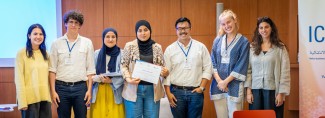
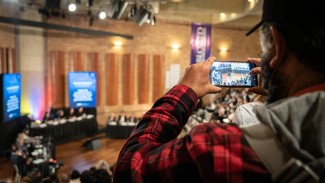
In this era of technological transformation, it is critically important to develop digital strategies for documenting human rights violations, analyzing data for accountability or reparations purposes, and safely advocating for human rights online. This is particularly true in contexts where victims, human rights actors, and members of the media live in fear. To this end, ICTJ has recently led trainings for human rights activists in conflict-affected countries on open-source investigation tools to help them do their work more effectively.

The field of transitional justice is increasingly recognizing the relevance of mental health and psychosocial support (MHPSS) in contexts of massive human rights violations. Despite growing advocacy and awareness at the global policy level, however, the field lacks a systematic approa...

an image of colorful painting featuring a young girl

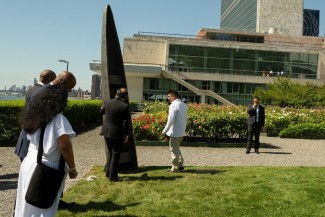
In July, Colombian President Gustavo Petro traveled to New York to address the UN Security Council on the status of the implementation of the 2016 peace agreement between the Colombian government and the guerrilla group Revolutionary Armed Forces of Colombia. During his visit, Petro also inaugurated a monument commemorating the country's enduring pursuit of peace.

In 2022, the Total Peace law was passed in Colombia, through which the government seeks to negotiate and reach agreements with armed organizations that still exist in the country. On June 19, 2024, the current director of ICTJ Colombia, Maria Camila Moreno, was appointed to be a member of the negotiating team that will help develop the peace dialogue table with the armed group Segunda Marquetalia.

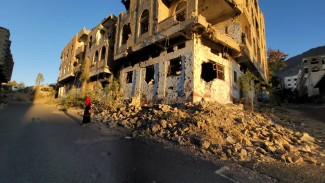
Yemen's nine-year conflict has devastated the country and created one of the world’s worst humanitarian crises. The regional upheaval stemming from the ongoing war on Gaza has created more obstacles on the country's already complex path toward peace and shifted attention away from the set of UN-brokered commitments agreed upon by the parties to the conflict in December 2023, which include a nationwide ceasefire. Amid these challenges, it is more imperative than ever to support civil society and victims and bring attention to victims’ grievances and needs.

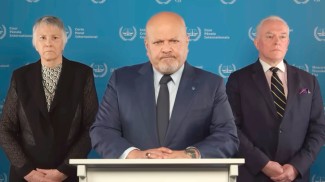
ICTJ acknowledges and welcomes the decisive action undertaken by the Office of the Prosecutor of the International Criminal Court, requesting the arrest of Israeli Prime Minister Benjamin Netanyahu, Defense Minister Yoav Gallant, and three Hamas leaders – Yahya Sinwar, Mohammed Diab Ibrahim Al-Masri, and Ismail Haniyeh – for war crimes and crimes against humanity.

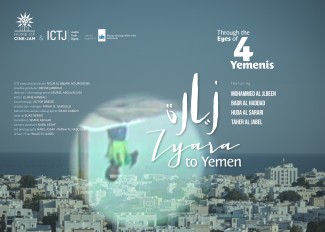
The Arabic word “Zyara” means “visit” in English. The Zyara documentary series takes an innovative, deeply personal approach to storytelling with a view to nurturing collective social and emotional healing. Through candid encounters, it paints poetic portraits of four Yemenis refugees living in Oman, including a human rights lawyer and activist, a restaurant worker, a martial arts champion, and a businessman. By telling their stories and celebrating the resilient spirit of the Yemeni people, the Zyara project seeks to raise awareness and preserve truth and memory.

In the aftermath of armed conflict or repression, communities often struggle to rebuild social relations that have been damaged or destroyed by violence and abuse. Restorative justice can potentially play a valuable role in such societies, bringing together the people who have been harmed by crimes and the individuals responsible for those harms, often in the form of a dialogue, to address the offense and its consequences. A new ICTJ research report offers insight and guidance on the use of a restorative justice framework in responding to massive and grave human rights violations, drawing primarily from experiences in Colombia, Sierra Leone, Tunisia, and the Philippines’ Bangsamoro region.