379 results

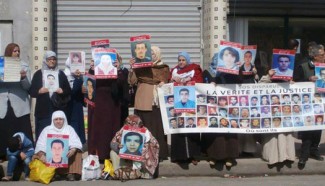
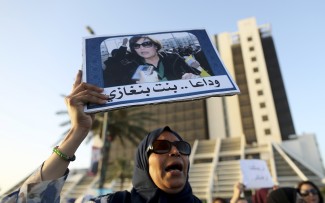
For more than two decades, some 40 women have been protesting every Wednesday against government inaction on the disappeared in front of Algeria’s official human rights commission. They stand on the sidewalk holding photos of their disappeared relatives — their children, fathers, and husbands — breaking the silence at a dangerous time in Algeria.

This report explores pathways for transitional justice in Yemen, emphasizing victims’ experiences, political dynamics, and existing justice mechanisms. It examines national and local efforts, including mediation and reconciliation initiatives, and highlights the role of Yemeni civil s...

The sun shines into an urban courtyard of what it appears to be residential buildings.

This guide is designed to engage young people who are interested in or are working on transitional justice issues in their communities. Intended to serve primarily as a training tool, it provides basic information about transitional justice and related principles and offers tips and s...

The voices of Tunisian women were in danger of being lost in the country's transitional process. Salwa El Gantri explains how one network of women's organizations made sure that did not happen by helping women find their voice and fight for justice.

This book features testimonies of young migrants originally from or currently residing in Lebanon, Libya, or Tunisia who left their home countries for political or socioeconomic reasons. The authors all took part in ICTJ’s 2023 writing contest titled “Overseas.” The contest aimed to e...

An illustration of people rowing in canoes

For the past few months, ICTJ, along with our partners at the Center on International Cooperation at New York University, has been working on a comprehensive new policy paper on the situation of the many thousands of Syrians detained somewhere in the country’s vast network of prisons. The depravity that goes on inside these detention sites is already so appalling that it would have been hard to imagine when we started the project that the situation for the prisoners could get any worse. And then the COVID-19 pandemic hit, upending all of our preconceptions, and our lives, in ways none of us ever expected.

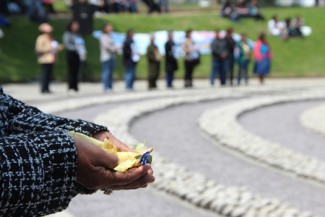
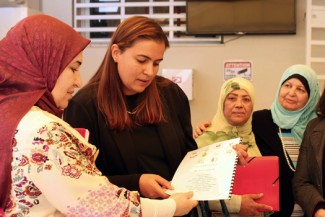
Tunis, September 24, 2018—The International Center for Transitional Justice and the University of Birmingham launched Voices of Memory, an interactive exhibition inspired by a collective of nine Tunisian women from across the country and from different generations. The exhibition is the first collective testimonial of Tunisian women who experienced human rights abuses under the Ben Ali regime.

Libyan civil society organizations are fighting against all odds to support victims of human rights violations. In doing so, they themselves risk violence and do their work despite the visible and invisible pain they feel and the innumerable obstacles placed in front of them. Renewed global attention on the Libyan conflict and two new draft laws to protect activists and others may help.

“There is also the question of memory. It is necessary that all that happened becomes part of the national memory. And this will be a guarantee against the return of the dictatorship.” — Ridha Barakati, Tunisian Activist

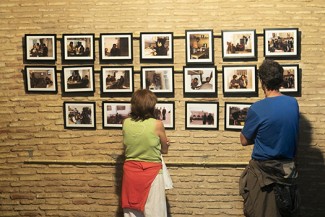
A new project launched by ICTJ and the British Council challenges young Tunisians to explore youth marginalization through photography.