


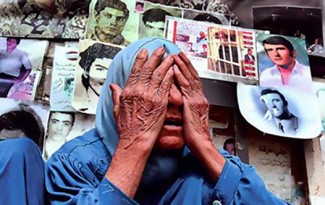

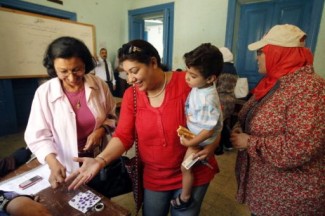




Transitional justice measures should serve to rectify, not replicate, patterns of discrimination against women. These mechanisms can challenge structural causes of gender inequality, by publicly acknowledging the factors that made such abuse possible. In the Middle East and North Africa, like in many other contexts, it is a challenge to ensure transitional justice measures do not further entrench the invisibility of gender-based abuses. As different countries consider the ways to confront the legacies of past abuses, ICTJ works with women’s groups across the region to build their capacity to engage in discussions around transitional justice and gender.