


375 results

Unofficial Translation of Iraq’s Accountability and Justice Law.

The struggle against impunity remains as important –and precarious –as ever as we celebrate International Justice Day on July 17. ICTJ marks the occasion with a look at complementarity, a concept critical to understanding the role that the ICC and national courts play in this struggle.

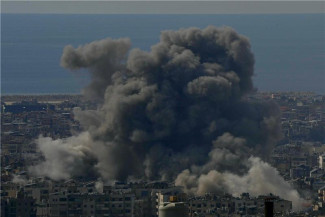
Recent Israeli strikes in Beirut and other populated areas in Lebanon, among the conflict's most intense so far, have destroyed critical infrastructure and devastated civilian communities. ICTJ stands unequivocally with the Lebanese people and all victims across the region and calls for an immediate end to all attacks on and threats to civilian communities and infrastructure.

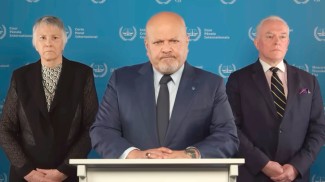
ICTJ acknowledges and welcomes the decisive action undertaken by the Office of the Prosecutor of the International Criminal Court, requesting the arrest of Israeli Prime Minister Benjamin Netanyahu, Defense Minister Yoav Gallant, and three Hamas leaders – Yahya Sinwar, Mohammed Diab Ibrahim Al-Masri, and Ismail Haniyeh – for war crimes and crimes against humanity.

In Lebanon, in the absence of an overarching curriculum, young people are growing up with scant knowledge of the country’s civil war. Over the past year, ICTJ has sought to fill this knowledge gap by holding oral history workshops with university students and connecting them with the Co...

A new, photo-filled publication from the International Center for Transitional Justice details how photos taken by Lebanese young people across the country helped to spark discussion about the disturbing, often-overlooked legacy of the Lebanese civil war.

On September 22, 2018, the International Center for Transitional Justice and the University of Birmingham launched Voices of Memory, an interactive exhibition inspired by a group of nine Tunisian women from across the country and from different generations. It is the first collective te...

As the conflict in Syria nears an end, the human toll continues to rise, with millions of Syrians forcibly displaced, including millions who have been forced to flee the country. Children have experienced particular harms, including lasting trauma and disabilities, a lack of education, ...

After emerging from its revolution with a new constitution and a comprehensive transitional justice law, Tunisia is setting into motion a process to learn the truth about the country’s time under repressive rule.

“I hesitated a lot before giving this testimony. But after much debate I decided to. History is not to be written in the palaces." That’s how Bechir Laabidi opened testimony on day two of public hearings at Tunisia’s Truth and Dignity Commission, where Tunisians continued to write the history of the country from the victims’ perspective. This final day of testimony focused on torture perpetrated by the dictatorship, with eight victims sharing their stories into the early hours of the morning.