




1535 results

ICTJ joins groups calling for an anti-terrorism approach that respects citizens' rights in Tunisia. “Institutional reform can be a strong tool to prevent recurrence of human rights abuses and build a strong and credible democracy in Tunisia," said Salwa El Gantri, ICTJ Head of Office in Tunisia. "The current transitional justice process aims to shed light on similar violations that took place under the dictatorship, and we don’t want them to be committed again under the ‘fight against terrorism’ slogan.”

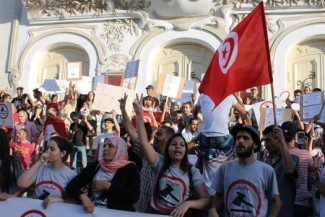
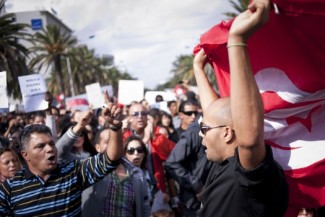
Tunisian activists have taken to the streets this month to protest the proposed Economic Reconciliation Law recently revived in parliament. If approved, the bill would offer a path for corrupt Ben Ali-era officials and business people to legalize their stolen assets and secure a form of amnesty.

Tunisia has faced many challenges since the launch of the National Dialogue on Transitional Justice two years ago, including political assassinations that rocked the process as well as a number of political blockages. Yet the Tunisian people came through a complex and challenging process and achieved important results — results that can provide the foundation to confront a long legacy of human rights abuses and pave the way towards a democratic transition built on the rule of law and trust between citizens and the state.

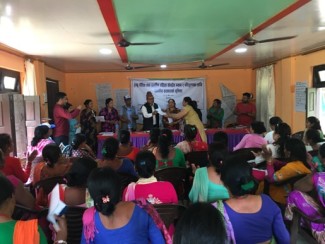
Nepal’s new local government structure – comprised of districts, municipalities, sub-municipalities, and wards formed within the new federal system under the 2015 Constitution – offers the possibility of some individualized redress for victims at the community-level. This article by Elena Naughton was published in the Kathmandu Post on May 6, 2018.

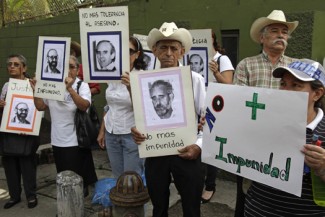
For more than 20 years, the Amnesty Law has hindered El Salvador from pursuing accountability for perpetrators of serious crimes committed against civilians during the civil war fought between the government and leftist insurgents in the 1980's. However, this may change in very near future. On September 20, the Constitutional Court admitted a petition claiming that the Amnesty Law passed in March 1993 –which shielded perpetrators of serious crimes committed during the 12-year civil war– is unconstitutional.

Bosnia and Herzegovina is marking the twentieth anniversary of the Srebrenica genocide. In this Op-Ed, ICTJ's Refik Hodzic asks, can we constructively talk about reconciliation in a country still gripped by war?

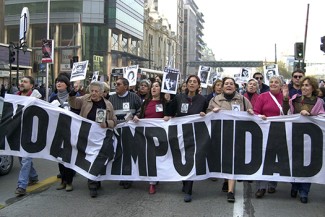
Chile has shown slow but steady progress on ​criminal justice​​. Two recent court decisions convicted a total of 139 ​state ​agents for their roles in the enforced disappearances of 21 Chileans. The rulings – one handed down by the Supreme Court, the other by a first instance judge – highlight the growing momentum towards obtaining justice for victims of the 1973-1990 dictatorship​.​

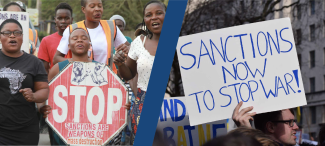
This report provides an analysis of international economic sanctions from a transitional justice perspective. It considers the role that sanctions may play in advancing or hindering accountability, redress, and prevention in response to massive and serious human rights violations. The...

in two different photos, people hold signs for and against sanctions

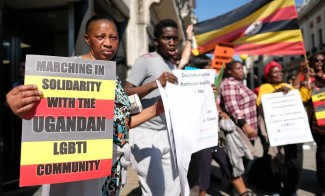
On March 21, the Ugandan Parliament passed the Anti-Homosexuality Bill, adopting the harshest anti-LGBTQ+ law in the world. Under it, homosexuality is punishable by life imprisonment, while "aggravated homosexuality" is punishable by death. The bill not only threatens the rights of LGBTQ+ persons, it undermines and erodes Uganda’s commitment to human rights.

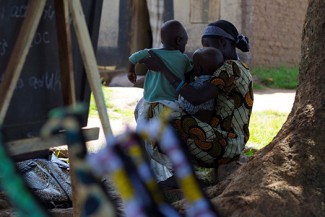
ICTJ and its partners will hosted a national dialogue in Kampala, Uganda on the aftermath of sexual violence. The aim: to shift stigma from victims to perpetrators and end the culture of silence. Sarah Kihika Kasande, head of ICTJ's Uganda office, explains why such efforts are essential to ending impunity and securing a lasting peace in the country.