1535 results

This report compares findings from two population-based surveys (in 2005 and 2007) in districts of northern Uganda most affected by 21 years of conflict, including the Acholi districts. The studies capture attitudes about peace, justice, and social reconstruction. Developing a deeper...

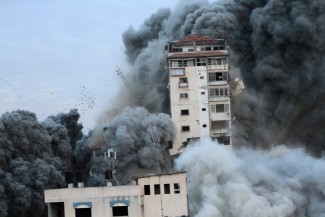
On October 7, the world watched in horror as members of the militant group Hamas slaughtered over 1,400 Israelis, most of whom were civilians including children and the elderly, in a premeditated and sophisticated attack. Israel’s response has so far been no less horrific. Incessant waves of indiscriminate airstrikes on Gaza have hit residential buildings, medical facilities, and other critical civilian infrastructure, besieging the entire enclave and leaving more than 5,000 people dead including 2,000 children. Unfortunately, these unspeakable atrocities—the condemnation and rejection for which we have run out of words—are not isolated events happening in a vacuum. They are, in fact, just the latest episodes in a 75-yearlong cycle of violence.

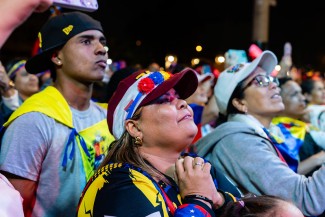
In the wake of the recent contentious presidential elections, Venezuelans from all walks of life took to the streets to express their collective distrust of the official results, outrage over their country's dire economic and political crisis, and demand for transformative change. For a brief moment, their sheer numbers and the of unity of their voices gave hope that a window of opportunity had opened for real change. In countries grappling with massive human rights violations, from time to time, a window of opportunity does in fact open for society to come together and a forge path toward peace and justice. Unfortunately, such windows do not remain open indefinitely.

Hybrid courts have ranged from the ad hoc international Criminal Tribunals for the former Yugoslavia and Rwanda (ICTY and ICTR respectively), to the treaty-based Special Court for Sierra Leone (SCSL) and Extraordinary Chambers in the Courts of Cambodia (ECCC), to international assista...

Background on the 2004 ICC arrest warrant for Bosco Ntaganda, wanted for war crimes allegedly committed in the DRC including civilian massacres and the recruitment of child soldiers. In 2009, the Congolese government decided not to arrest Bosco, and instead appointed him a deputy comm...

This report focuses on “indirect victims” of human rights violations in Tunisia, namely, the wives, sisters, and children of political prisoners in Tunisia, who suffered discrimination, social exclusion, police violence, and harassment during the dictatorship. Presenting documentation...

A short biography of Hebert Veloza Garcia aka "H.H."

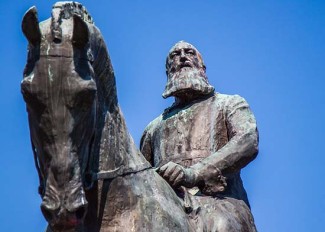
In the wake of the mass demonstrations in the United States, activists in European cities similarly took the streets to protest against racism and police violence. In Belgium, mostly young activists have defaced statues of King Leopold II with red paint, insisting public spaces be "decolonized" that commemorate the monarch who personally owned the Congo for more than two decades before relinquishing it to the Belgian government which then controlled it for half a century. Are Belgian and other societies in Europe ready to reckon with the truth of their colonial legacies?

In our work providing assistance to societies around the world, we draw continual inspiration from individuals and communities who refuse to ignore the abuses of the past, and who often face great obstacles to expose it. To honor their courage, we invite you to read a selection of perspectives on truth and dignity from those who have used their words to convey a powerful idea: truth is the foundation of justice.

During a thematic hearing December 13–14, Kenya's Truth, Justice and Reconciliation Commission (TJRC) heard testimonies from children on their own experiences as part of the commission's investigation into gross human rights violations and historical injustices in the country between 1963 and 2008.