113 results

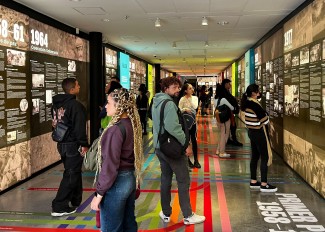
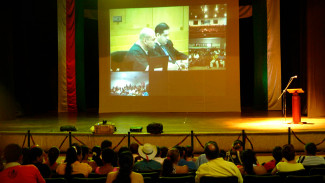
On February 13, 2024, the interactive cultural exhibit “If There Is Truth, There Is Future” opened to the public at Bogotá’s Center for Memory, Peace and Reconciliation. As part of the Colombian Truth Commission’s post-closure cultural and educational outreach activities, the exhibit aims to inform Colombians of all generations about the commission’s findings and inspire them to take action to prevent a recurrence of conflict.

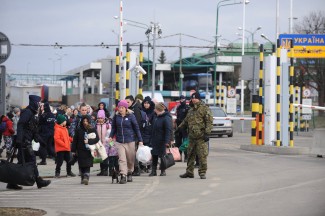
In the latest round of negotiations between Ukraine and Russia, the Turkish president called on both delegations to act responsibly and agree to a ceasefire. He reminded them of their historical mission to achieve a "just peace." While we may not know how and when this conflict will end, we already know some of what Ukrainian society will be grappling with in the near future. Significant portions of country’s civilian infrastructure have been destroyed. More than 4 million Ukrainians are now refugees; another 10 million are internally displaced; and a rising but still undetermined number have been killed, are missing, or are wounded. The real question is what does a just peace mean for Ukrainians.

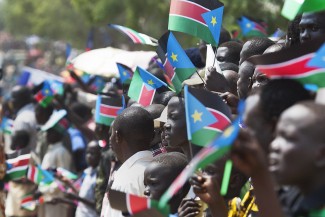
South Sudan’s transition to democratic governance through a highly anticipated, first-ever post-independence general election has to wait once again for another two years. Despite this latest extension, the country has achieved notable milestones in its transitional justice process.

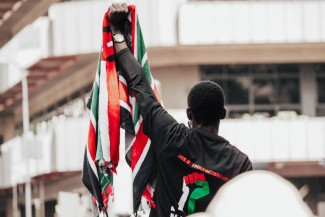
The police response to the peaceful anti-government protests in Kenya over the past year has been deadly and brutal. Their actions have rocked the country and reaffirmed the 2013 findings of the Kenyan Truth, Justice and Reconciliation Commission (KTJRC) that state security agencies, particularly the police, have historically used excessive and disproportionate force and “been the main perpetrators of bodily integrity violations of human rights in Kenya including massacres, enforced disappearances, torture and ill-treatment, and sexual violence.”

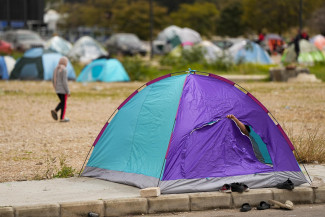
For many people in Lebanon, being uprooted from home is no longer an exceptional event. In this Expert’s Choice, ICTJ's Firas BouZeineddine draws a connection between the dire situation many Lebanese are facing and the culture of impunity that prevails in the country. In particular, he calls on domestic and external actors to be held accountable for past and present violations.

To commemorate the 20th anniversary of the Justice and Peace Law—which created Colombia's first transitional justice system—media outlet Verdad Abierta, the Friedrich Ebert Stiftung, and ICTJ partnered to produce an investigative four-part series in Spanish that critically assesses its legacy. Now translated into English, this second installment explores the unprecedented challenges the country faced as the process got underway.

This study examines how transitional justice measures in Morocco have helped prevent state violence repression and social and economic exclusion. These measures included the Equity and Reconciliation Commission, which diagnosed some historical wrongdoings and called for reform to prev...

On November 28, 2023, ICTJ organized an international dialogue in Bogotá, Colombia, to share innovative strategies for advancing victims’ rights to redress for human rights abuses and for establishing more victim-centered development policies. The gathering also marked the official launch of ICTJ’s new report—Advancing Victims’ Rights and Rebuilding Just Communities Local Strategies for Achieving Reparation as a Part of Sustainable Development—which presents findings from a two-year comparative study of local efforts in Colombia, The Gambia, Tunisia, and Uganda to advance reparations.

Despite earlier efforts to envision a national transitional justice policy, Ukraine remains overly cautious about establishing one. This report provides a robust substantiation of why Ukraine should revive its holistic transitional justice policymaking. In the first part, it debunks t...

A women holds up an infant in the air on sunny day outdoors, surrounded by yellow and blue balloons