


128 results

In many countries of the African Great Lakes region, state-led approaches to transitional justice have been created by wide-ranging agreements or policies that have been later forgotten or only partially implemented. Even when implemented, they are often subject to years of delay and/...

On the International Day for the Right to Truth we spotlight one of the most powerful ways truth commissions can reassert victims' dignity: public hearings. These open events can have a potentially cathartic power for victims and their families, but also the public at large by generating solidarity and empathy for the suffering of others in societies deeply polarized and traumatized by atrocities and denial.

For years the Lord’s Resistance Army (LRA) captured thousands of young girls in northern Uganda, forcing them to be not only soldiers, but wives and mothers too. When these women finally escaped their captors, children in tow, they hoped to be welcomed back into their com...

The Africa Union's resolution to collectively support a strategy to withdraw from the ICC looks more like a machination of those who have instrumentalized an argument against the court to protect themselves from the long arm of justice, write ICTJ's top experts on Africa.

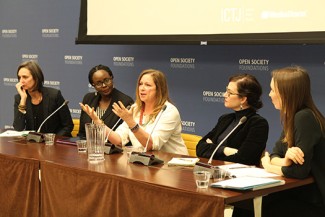
A panel of policy and media experts discusses women's experience in war and the responsibility of media covering their stories at the New York City premiere of a new documentary.

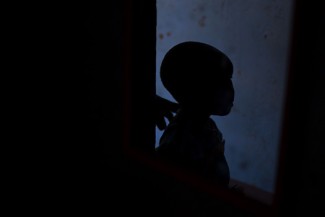
NEW YORK, February 2, 2016 – A short documentary film depicting the devastating effects of stigma and discrimination against children born of wartime sexual violence, and their mothers, in northern Uganda was released today by the International Center for Transitional Justice (ICTJ) and MediaStorm....

I Am Not Who They Think I Am, a new film by ICTJ and MediaStorm, exposes the stigma facing children born of conflict and their mothers and advocates for their right to reparations and redress from the state.

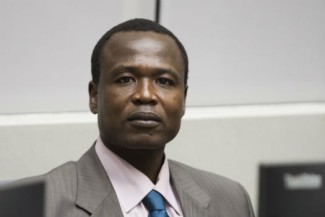
Dominic Ongwen's ICC trial will determine whether the former child-soldier-turned-LRA-commander is guilty or innocent. However, for those of us supporting justice globally, discussion must extend beyond simple dichotomies: the reality of Ongwen’s actions and the context in which they occurred is much more complex than whether he is guilty or innocent. Moreover, the calls for justice by victims in Uganda extend far beyond the trial of a single man, and demand a multifaceted response.

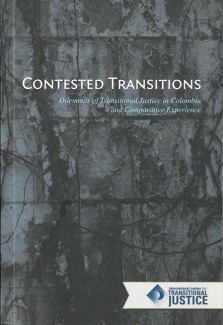
This volume examines the effects, risks, and potential of extending the field of transitional justice to cases that do not present a key moment of political transition to peace or democracy and instead are defined by political continuity and ongoing conflict. It begins with analyses o...

Understanding education as a form of both reconstruction and reparations is essential for societies in their efforts to address victims’ rights and help victims and their families overcome the consequences of a painful past.