



95 results

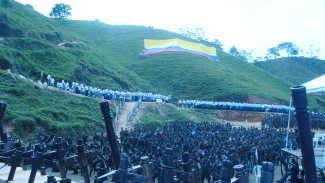
To commemorate the 20th anniversary of the Justice and Peace Law—which created Colombia's first transitional justice system—media outlet Verdad Abierta, the Friedrich Ebert Stiftung, and ICTJ partnered to produce an investigative four-part series in Spanish that critically assesses its legacy. Now translated into English, this first installment provides an overview of the process.

The field of transitional justice is increasingly recognizing the relevance of mental health and psychosocial support (MHPSS) in contexts of massive human rights violations. Despite growing advocacy and awareness at the global policy level, however, the field lacks a systematic approa...

an image of colorful painting featuring a young girl

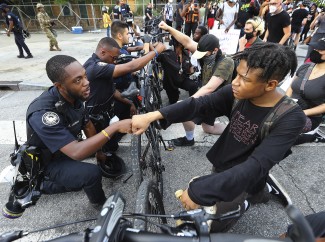
George Floyd’s death reignited existing anger over American society’s deep and festering racial wounds. His death triggered significant social uprisings that have challenged the methods of policing that have emerged over the course of several decades. With a growing awareness of polic...

Three police officers kneel with several protesters at a demonstration.

Canadian youth not only want to know the truth about what happened at the Indian Residential Schools –they want to learn about it in their classrooms.

Why pursue transitional justice in the aftermath of massive human rights violations? This video provides a window into the debate about the relevance of transitional justice in today’s world.

ICTJ Vice President Paul Seils interviewed South African judge and human rights activist Albie Sachs.

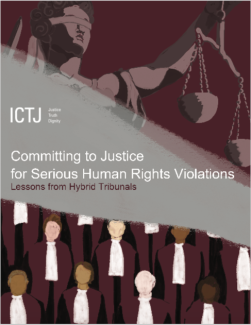
This report aims to help practitioners in the transitional justice field to understand the experience of establishing and operating hybrid courts and to address some common assumptions about these entities. To do so, it looks at hybrid or mixed courts in practice, drawing on experienc...

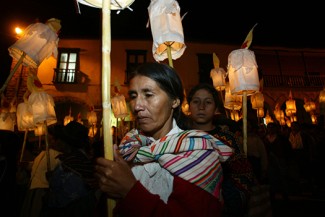
Indigenous peoples are still some of the most marginalized and vulnerable communities around the world. In a conflict, they are often some of the most affected as their resource-rich territories are coveted by powerful and violent groups, their identity and loyalty perceived with mistrust, and their...

ICTJ was pleased to host the newly elected United Nations Special Rapporteur on the promotion of truth, justice, reparations, and guarantees of non-recurrence, Fabian Salvioli (Argentina), at its New York office, where he discussed his vision and priorities.

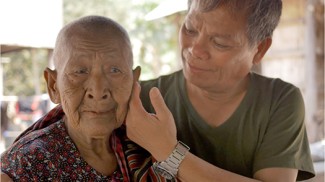
Angkar, screened on June 16 at the New York Human Rights Watch Film Festival, follows Khonsaly, a victim of the Khmer Rouge, on his journey to the village he fled almost 30 years ago. The film, produced by Neary Adeline Hay about her father's experience with torture and repression, is an intergenerational offering to truth and memorialization work that dances between the inheritance of abuse and its painful recollection by a survivor.