375 results

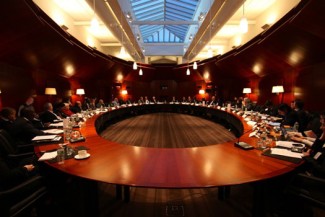
More truth commissions are being created now through peace agreements than at any other time in history. But are they living up to high expectations for truth, accountability, and reconciliation in societies emerging from violent conflicts? This week, the Kofi Annan Foundation and the International Center for Transitional Justice (ICTJ) held a three-day, high-level symposium to explore the challenges and benefits of truth commissions emerging from peace processes.

Fourteen members of Syrian civil society recently gathered for a five-day workshop on community facilitation and transitional justice organized by ICTJ and its partners in the Bridges of Truth project. The workshop marked a major step in the preparation for extensive community dialogues that will take place across Syria in the months ahead.

As Yemen prepares to embark on a national dialogue about its future, addressing the legacy of the past human rights violations remains one of its key challenges. A Law on Transitional Justice and National Reconciliation has been under discussion since February 2012 and may now be adopted in the coming weeks.

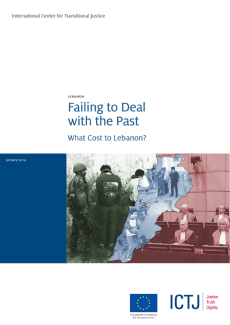
This report examines the situation of impunity in Lebanon that has persisted since the 1975-1990 war through the lenses of core elements of transitional justice. It analyzes Lebanon’s past experience of ineffective transitional justice measures -- including limited domestic trials, na...

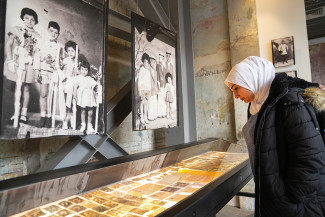
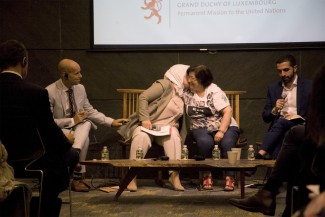
On September 15, ICTJ organized a side event on the missing and disappeared in Syria, sponsored by the governments of Luxembourg and Finland, during the 77th session of the United Nations General Assembly. The event was a timely one, as it addressed a recent proposal for the creation of a new...

ICTJ is pleased to announce it will host a series of online debates on new challenges and cutting-edge issues in transitional justice.

Forced disappearance is a crime against humanity. The decisions made by politicians and officials authorizing such practices in different countries cannot be justified legally or morally. They must be held to account and be shown for what they are: enemies of a civilized society.

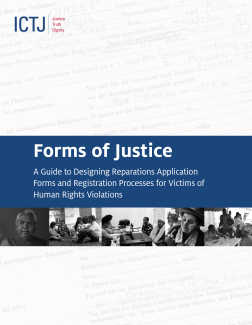
In a number of countries around the world, governments have created state-administered reparations programs for victims and communities that were most affected by massive human rights violations. The success of these programs, which often involve thousands of individuals, depends in p...

The Fourth Intensive Course on Truth Commissions, presented by ICTJ in partnership with the Barcelona International Peace Resource Center (BIPRC), focuses this year on the challenge of recognizing the experiences of vulnerable populations in the work of truth commissions. Practitioners and academics representing 17 countries will participate in the week-long course, including members of the Brazilian and Ivorian Truth Commissions, the Maine Wabanaki-State Child Welfare TRC Process, and ICTJ experts from around the world.

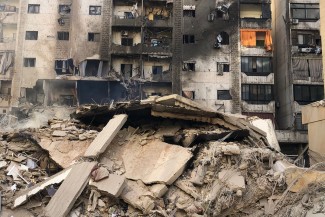
The ongoing war in the Middle East is not an isolated event; it represents a 75-year cycle of violence marked by historical grievances, geopolitical struggles, and humanitarian crises. In the latest episode of this tragic story, Lebanon has become the newest battlefield. So far, the conflict has caused widespread destruction, killed or injured thousands, and displaced over a million in Lebanon. The country now faces many daunting questions about reconstruction, reparations for victims, and the type of society that will emerge in the war’s aftermath.