


17 results

ICTJ recently convened Syrian civil society partners, members of Syria’s newly established transitional justice commissions, and government representatives to support the country’s nascent transitional justice process.

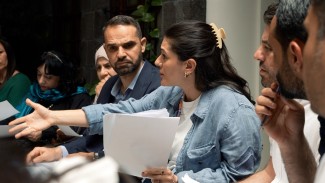
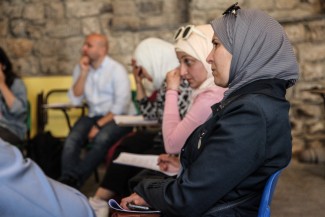
Fourteen members of Syrian civil society recently gathered for a five-day workshop on community facilitation and transitional justice organized by ICTJ and its partners in the Bridges of Truth project. The workshop marked a major step in the preparation for extensive community dialogues that will take place across Syria in the months ahead.

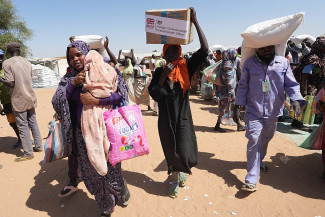
As the world marks the third anniversary of the brutal war in Sudan, it is a moment to reflect on a conflict that rarely receives the media attention it deserves and to consider the millions of Sudanese caught in cycles of violence.

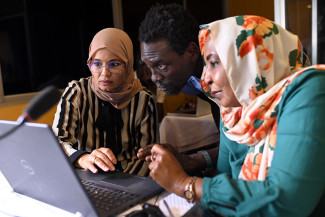
ICTJ recently convened human rights defenders, journalists, and lawyers from Libya, Sudan, Syria, Tunisia, and Yemen for a workshop on digital, open-source investigations. Held on November 3-8 in Kampala, Uganda, the course trained participants on open-source tools with a view to strengthening their work investigating, documenting, and monitoring human rights violations.

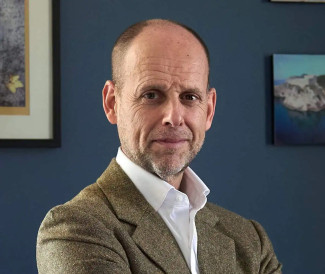
The outlet PassBlue recently interviewed ICTJ Executive Director Fernando Travesí-Sanz about the challenges and breakthroughs ICTJ has encountered while facilitating a victims-led path to transitional justice in post-Assad Syria. Travesí-Sanz compared the experience to the lessons learned from Colombia’s post-conflict transition, revealing the nuanced, fragile nature of both retroactive justice and long-term peacebuilding.

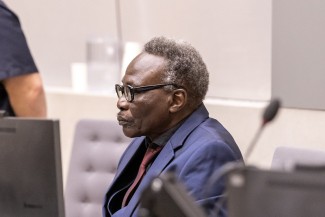
On October 6, the International Criminal Court (ICC) found former Janjaweed militia leader Ali Muhammad Ali Abd-Al-Rahman (also known as Ali Kushayb) guilty of 27 counts of crimes against humanity and war crimes committed in Darfur between August 2003 and March 2004. This landmark verdict counters cycles of impunity in Sudan and sends a powerful message that these crimes are not tolerated.

ICTJ and its partners in the Bridges of Truth project hosted an event in Damascus on October 7 to present findings from their recent report on the community dialogues held in April in Syria and to commemorate the project’s eighth anniversary.

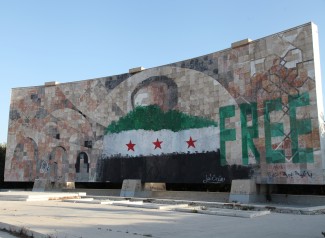
Across Syria today, we continue to witness human rights violations and abuses that run counter to the very principles upon which the revolution was built. In particular, recent violence in the coast and Sweida has deepened the sense of fear and mistrust already felt by many communities. Meanwhile, Syria's new transitional justice commissions have been working hard to lay the foundations of their mandates. Now, at this critical juncture, they must show that they are ready to lead and first and foremost to serve victims.

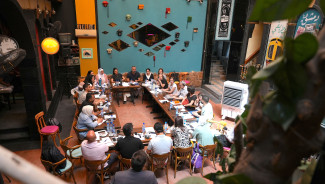
At the end of April in Syria, dozens of local residents in several cities and towns sat down together for the first time to finally speak about their experiences during the 14-year conflict that tore society apart and resulted in countless human rights violations. These community dialogues, organized by ICTJ in partnership with the Bridges of Truth project, provided a safe space for participants to share their stories and hardships, discuss their needs, and express their hopes for justice and reconciliation.

ICTJ welcomes the formation of two new independent institutions in Syria: the National Commission for Transitional Justice and the National Commission for the Missing. Established by presidential decree, these commissions represent a historic step forward in acknowledging the demands of victims and their families and formally responding to the widespread violations committed in Syria over the last decades.