


80 results

Fourteen members of Syrian civil society recently gathered for a five-day workshop on community facilitation and transitional justice organized by ICTJ and its partners in the Bridges of Truth project. The workshop marked a major step in the preparation for extensive community dialogues that will take place across Syria in the months ahead.

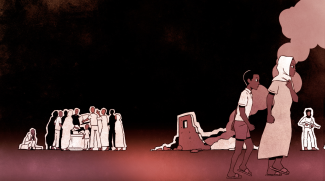
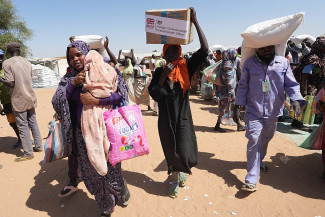
As the world marks the third anniversary of the brutal war in Sudan, it is a moment to reflect on a conflict that rarely receives the media attention it deserves and to consider the millions of Sudanese caught in cycles of violence.

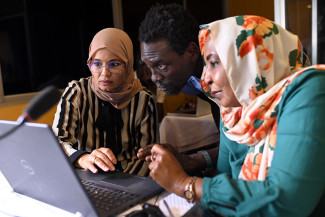
ICTJ recently convened human rights defenders, journalists, and lawyers from Libya, Sudan, Syria, Tunisia, and Yemen for a workshop on digital, open-source investigations. Held on November 3-8 in Kampala, Uganda, the course trained participants on open-source tools with a view to strengthening their work investigating, documenting, and monitoring human rights violations.

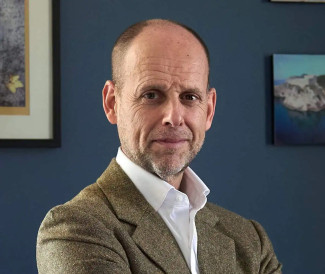
The outlet PassBlue recently interviewed ICTJ Executive Director Fernando Travesí-Sanz about the challenges and breakthroughs ICTJ has encountered while facilitating a victims-led path to transitional justice in post-Assad Syria. Travesí-Sanz compared the experience to the lessons learned from Colombia’s post-conflict transition, revealing the nuanced, fragile nature of both retroactive justice and long-term peacebuilding.

Throughout 2025, ICTJ’s experts offered thoughtful analysis on conflicts and major political developments in more than 10 countries as part of the World Report newsletter. Their insightful commentaries shed light on the obstacles that victims, civil society, and their partners must navigate as they pursue sustainable peace and justice. In this edition, we look back on the past year through the Expert’s Choice column.

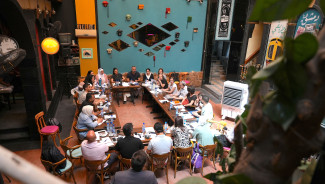
ICTJ and its partners in the Bridges of Truth project presented in Damascus the findings from their recent report on the first community dialogues held in Syria since the fall of the al-Assad regime in December 2024. On October 7, victims and family members, civil society actors, representatives from the country’s nascent transitional justice commissions, government officials, and international partners gathered to reflect on the lessons learned from the dialogues and the path forward for truth, justice, and accountability in Syria.

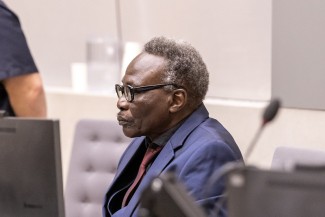
On October 6, the International Criminal Court (ICC) found former Janjaweed militia leader Ali Muhammad Ali Abd-Al-Rahman (also known as Ali Kushayb) guilty of 27 counts of crimes against humanity and war crimes committed in Darfur between August 2003 and March 2004. This landmark verdict counters cycles of impunity in Sudan and sends a powerful message that these crimes are not tolerated.

Despite the enormous challenges, Sudanese civil society and other stakeholders are prioritizing transitional justice, acknowledging the need to address past injustices to end the cycle of conflict in their country. ICTJ continues to support them as they envision and design victim-centered, gender-sensitive, and inclusive strategies. Leading these efforts is ICTJ's Ilaria Martorelli. In this interview, she discusses the prospects for lasting peace, accountability, and repair in Sudan.

ICTJ and its partners in the Bridges of Truth project hosted an event in Damascus on October 7 to present findings from their recent report on the community dialogues held in April in Syria and to commemorate the project’s eighth anniversary.

ICTJ, in collaboration with the Dutch Ministry of Foreign Affairs, recently convened the first international dialogue in Geneva in support of Syria’s two new justice commissions. From July 10 to 11, members of the National Commissions for Transitional Justice and for the Missing joined representatives of Syrian victim groups and experts and practitioners from around the world to discuss the present opportunities and challenges for peace and justice in Syria and how best to support the nascent institutions in fulfilling their mandates and advancing acknowledgment, truth, accountability, and repair.